Editorial mode: Template B — Analysis / Guide.
Bluetooth 6.0 adds Channel Sounding, a feature meant to improve distance measurement between Bluetooth devices. Bluetooth SIG materials describe the Core Specification 6.0 release and its feature set, while semiconductor vendors are beginning to explain how Channel Sounding can support more precise ranging.
For TVG readers, the interesting angle is accessibility and practical STEM design. Better distance awareness could help smart locks, indoor wayfinding aids, tool-tracking systems, classroom experiments and assistive prototypes. But it should not be treated as a magic indoor GPS layer.
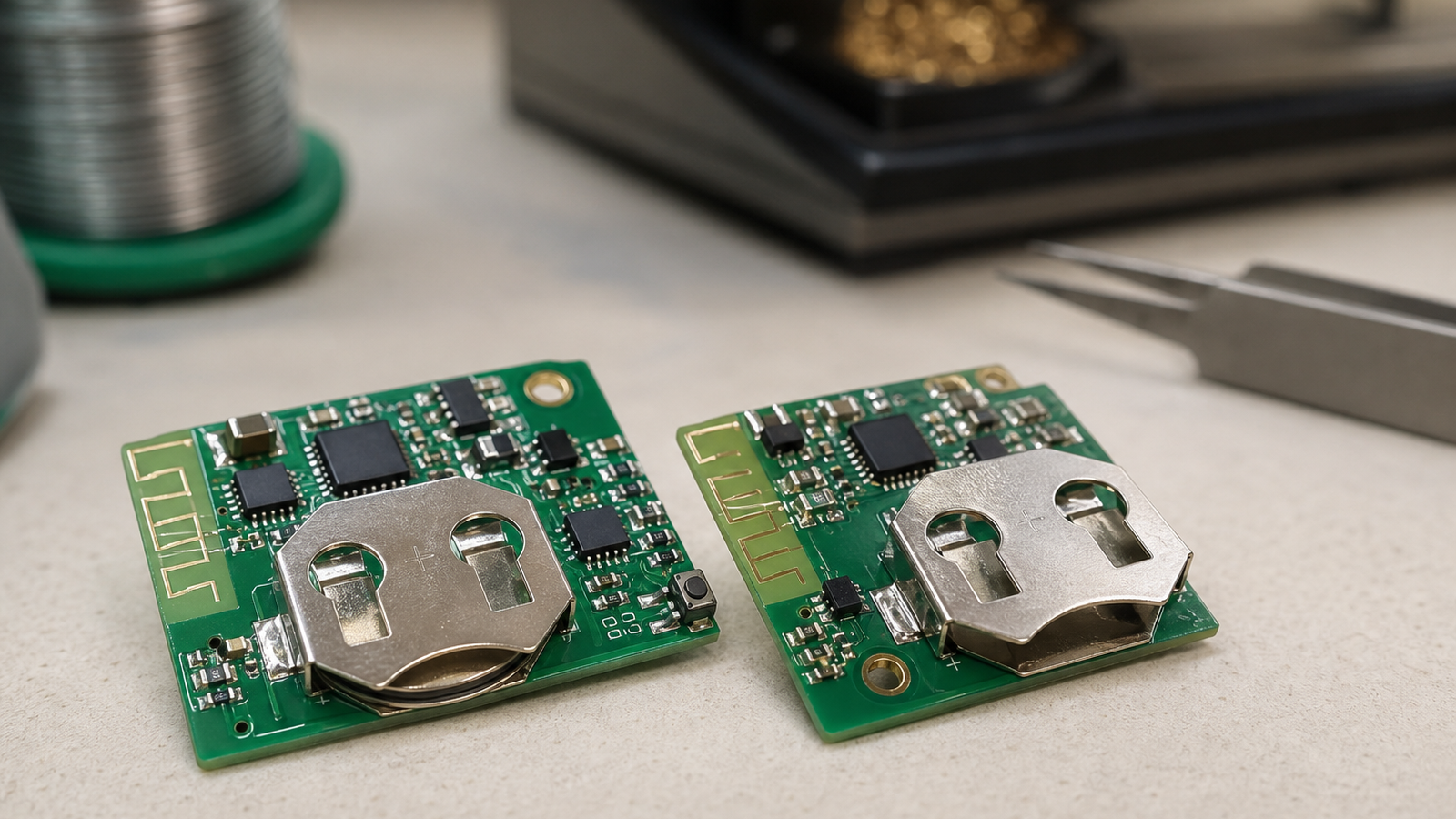
What Channel Sounding changes
Traditional Bluetooth signal-strength approaches can estimate proximity, but received signal strength is noisy. Human bodies, walls, shelves, bags, metal benches and antenna orientation can all distort the reading. Channel Sounding is meant to give devices a stronger ranging primitive than simple signal strength.
That matters for accessibility projects because “near” is not always good enough. A door prompt, object finder or indoor navigation cue may need to know whether a device is across the room, near a threshold or already in hand. More reliable distance data can reduce false triggers and improve user trust.
Maker project ideas
- Doorway cue prototypes: a beacon near a doorway could help test approach-distance alerts.
- Tool or bag finders: distance-aware tags could teach students how ranging behaves around clutter.
- Smart-home safety checks: distance can become one input for whether an action should trigger.
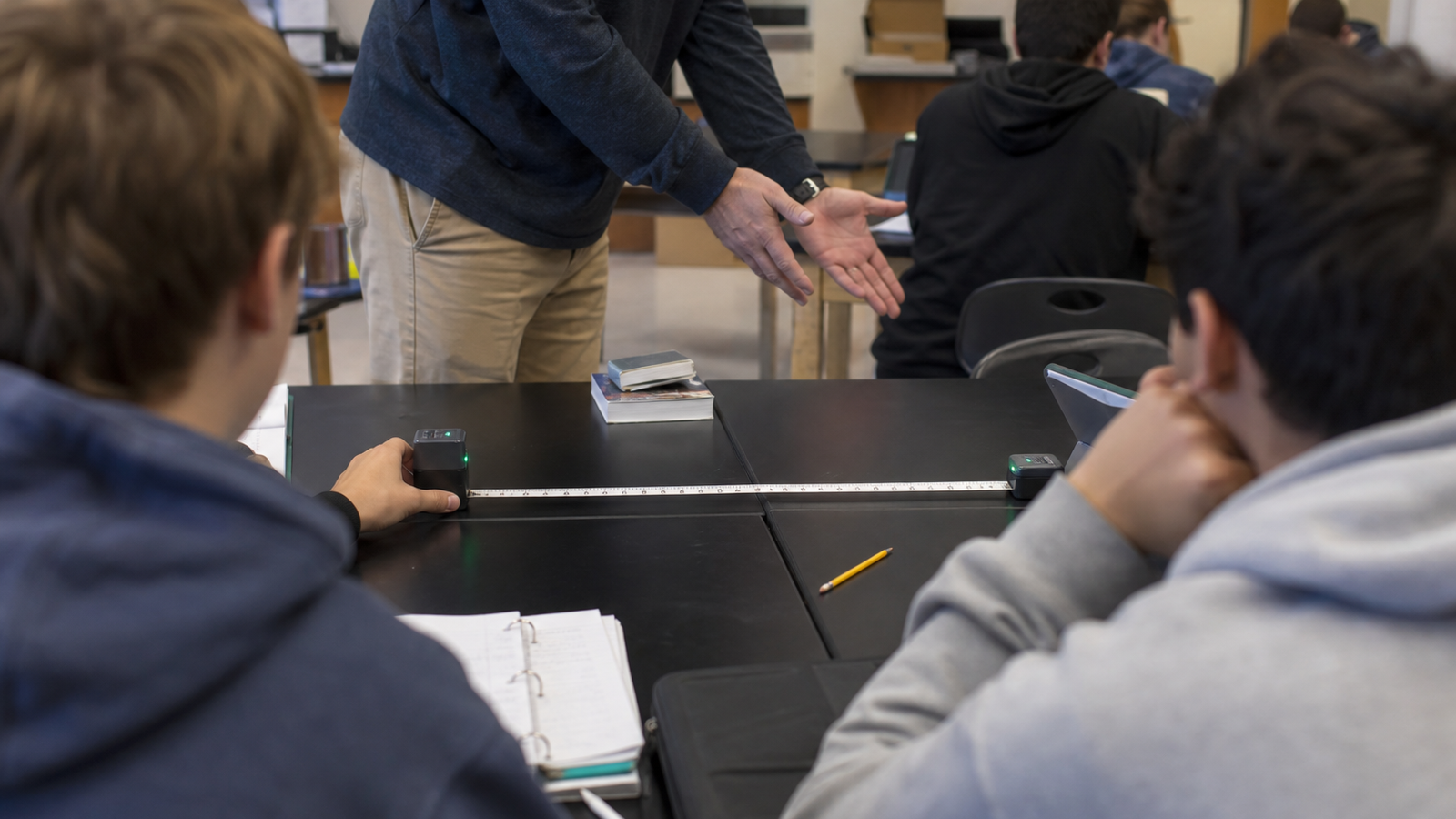
- STEM measurement labs: students can compare ranging behavior in open space, near walls and around metal objects.
Design cautions
Accessibility projects need conservative design. A cue that sometimes works is not enough when a user may rely on it. Builders should test in multiple rooms, with people moving nearby, with devices in pockets, and with the antenna pointed in different directions.
Privacy also matters. Distance-aware systems should minimize data collection, avoid unnecessary cloud dependence and make it clear when location-like information is being inferred. A useful prototype should be helpful without becoming creepy.
Outdoor or workshop projects also need enclosure discipline. TVG’s IP ratings guide for robot sensor enclosures is relevant whenever wireless beacons move from a clean bench to a doorway, hallway, garage or field setup.
TVG Take
Bluetooth 6.0 Channel Sounding is promising because it gives makers a better distance signal to design around. The correct mindset is measured optimism: prototype, log failures, test messy rooms, and use distance as one input in a larger assistive system rather than the only source of truth.
How to evaluate early hardware
Early Channel Sounding development kits and modules should be evaluated with logs, not vibes. Record measured distance, actual distance, room layout, body position, antenna orientation and error cases. A prototype that performs well only on a clear tabletop is useful for learning, but it is not ready for an assistive workflow.
Students can turn those limitations into a strong STEM lab. Compare distance results in a hallway, near a metal shelf, behind a backpack and with a person standing between devices. The exercise teaches radio behavior, accessibility design and responsible engineering at the same time.
Do not overpromise accessibility
Accessibility technology has a higher duty of care than novelty automation. Builders should avoid language that implies independence or safety benefits they have not validated with real users and real environments. A good maker project can still be valuable as a prototype, teaching tool or research demo while being honest about its limits.
For product-readiness, the next checkpoint is ecosystem support. Makers should watch which microcontroller modules expose Channel Sounding cleanly, which SDKs include examples, and whether power draw remains acceptable for small battery devices. A ranging feature that drains a wearable prototype too quickly may be better suited to a doorway beacon than a handheld aid.
The safest early projects will make the user decision visible: a tone, vibration, log entry or prompt that can be ignored, not an irreversible action. That keeps the prototype useful while the ranging behavior is still being characterized.