
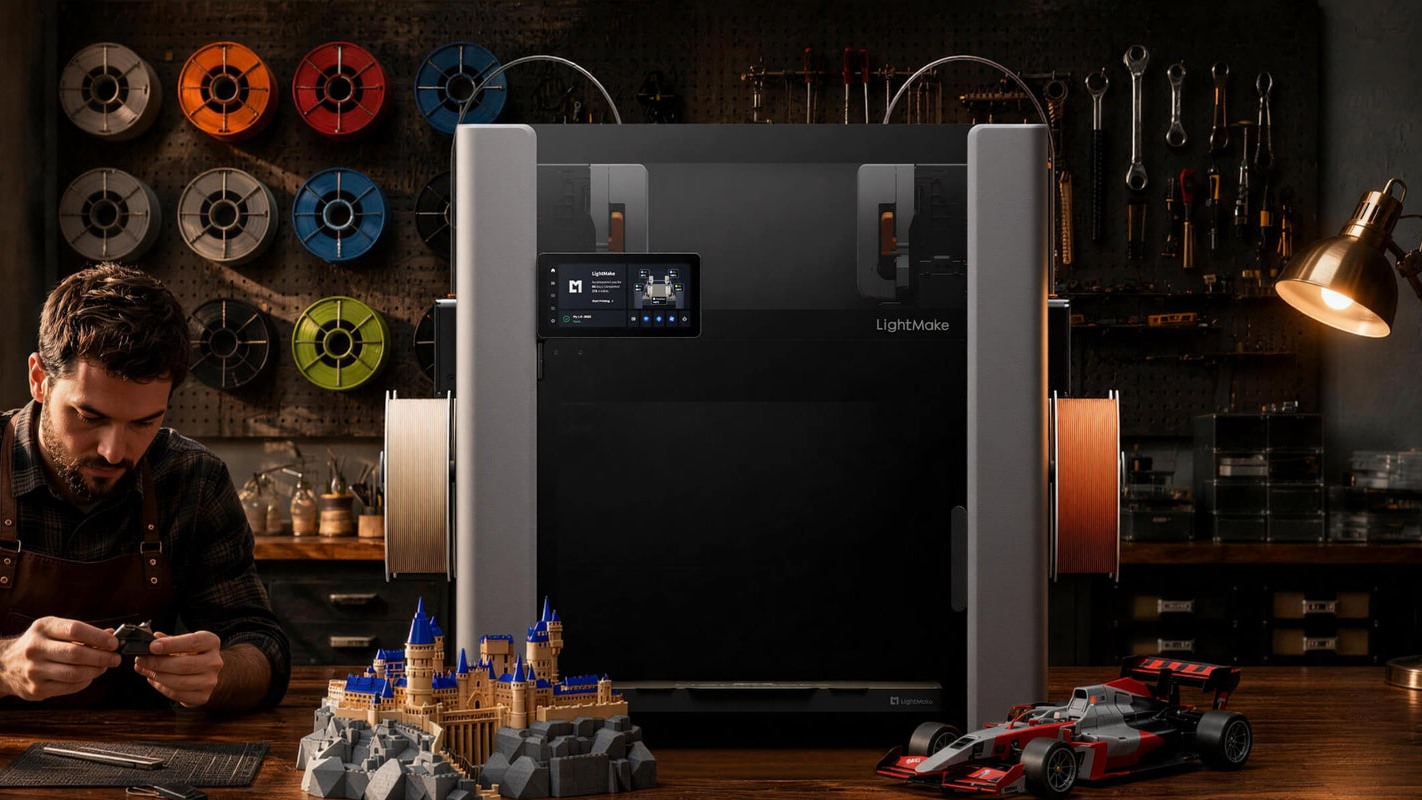
LightMake has opened crowdfunding for the L4, a desktop FFF printer that moves four independent toolheads with linear motors. That arrangement is the news: instead of routing several filaments through one nozzle, the machine can assign a nozzle to each material or run four heads in parallel. The architecture could cut color-change delay and separate incompatible materials, but its speed, precision and waste figures remain manufacturer claims.
Four carriages change three workflows
The company presents the L4 as one machine with four independently controlled heads. In batch mode, the heads can print four copies at once. In multi-color work, a new head is supposed to enter the job in one second while each filament stays in its own hotend. For multi-material parts, dedicated extrusion paths could avoid mixing material inside a shared nozzle.
This is not the same as a four-input feeder attached to one melt zone. It also is not free capacity. CNX Software lists a 354 × 370 × 386 mm build volume for single-color operation and 354 × 350 × 386 mm for multi-color operation, reflecting the clearance required when several carriages work on the same bed.
The specifications carry installation consequences
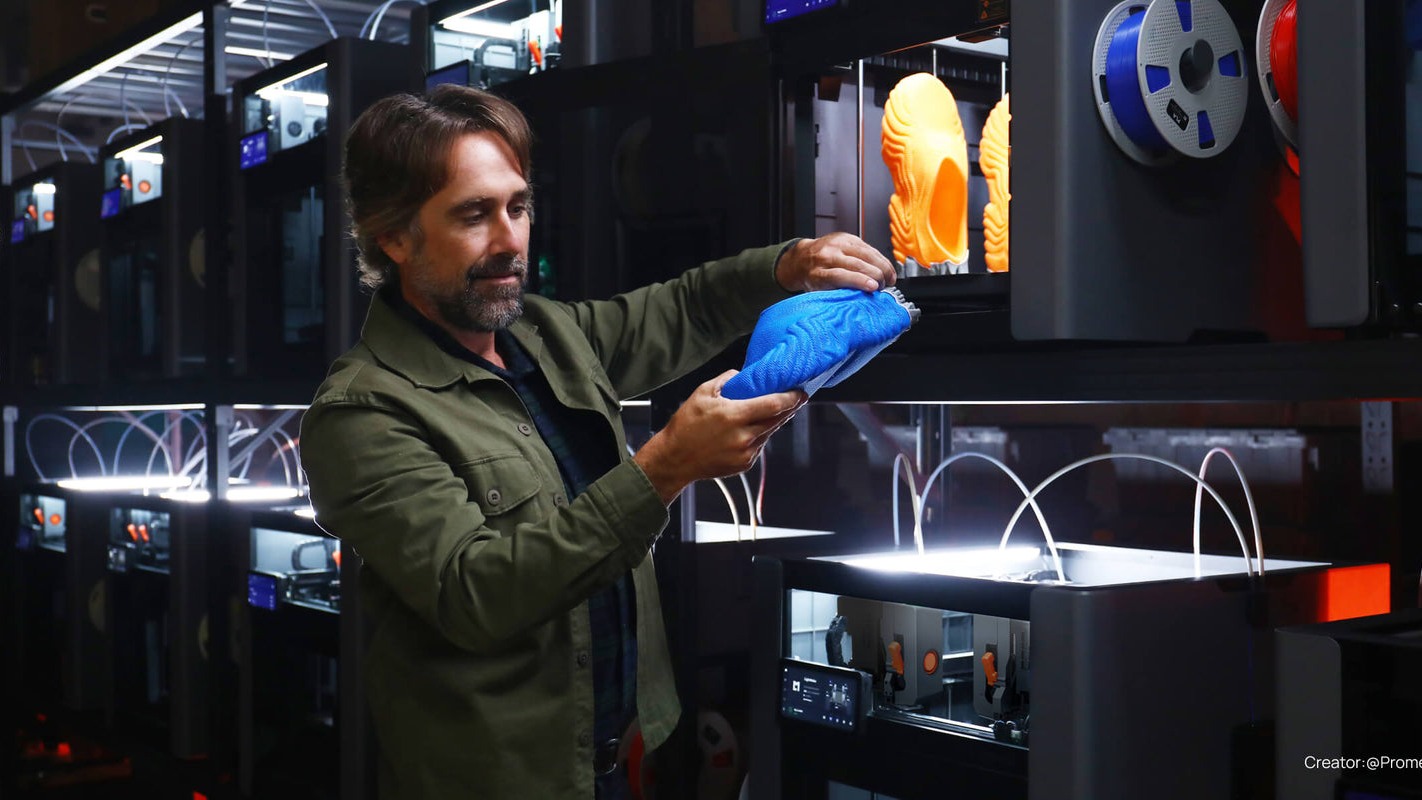
The published specification reaches 500 mm/s print speed, 1,000 mm/s travel and 20 m/s² acceleration. LightMake also claims ±1 μm closed-loop motion precision. Those numbers do not by themselves establish dimensional accuracy or surface quality; toolhead alignment, extrusion control, frame behavior and slicer coordination still determine the result.
The L4 is listed with a 320°C hotend, a 110°C textured PEI bed and standard 0.4 mm nozzles, with 0.2, 0.6 and 0.8 mm options. The material list includes PLA, ABS, PETG, TPU, ASA, PVA and carbon-fiber-filled variants. PA and PC are tied to an optional thermal top cover, which matters because the base machine is open-frame.
Power deserves attention before a workshop treats the L4 like an ordinary desktop printer. CNX lists maximum input of 1,800 W on 220–240 V and 1,300 W on 110–120 V. A buyer should compare that stated maximum with the branch circuit, other bench loads and the machine’s delivered plug configuration.
What remains unproven
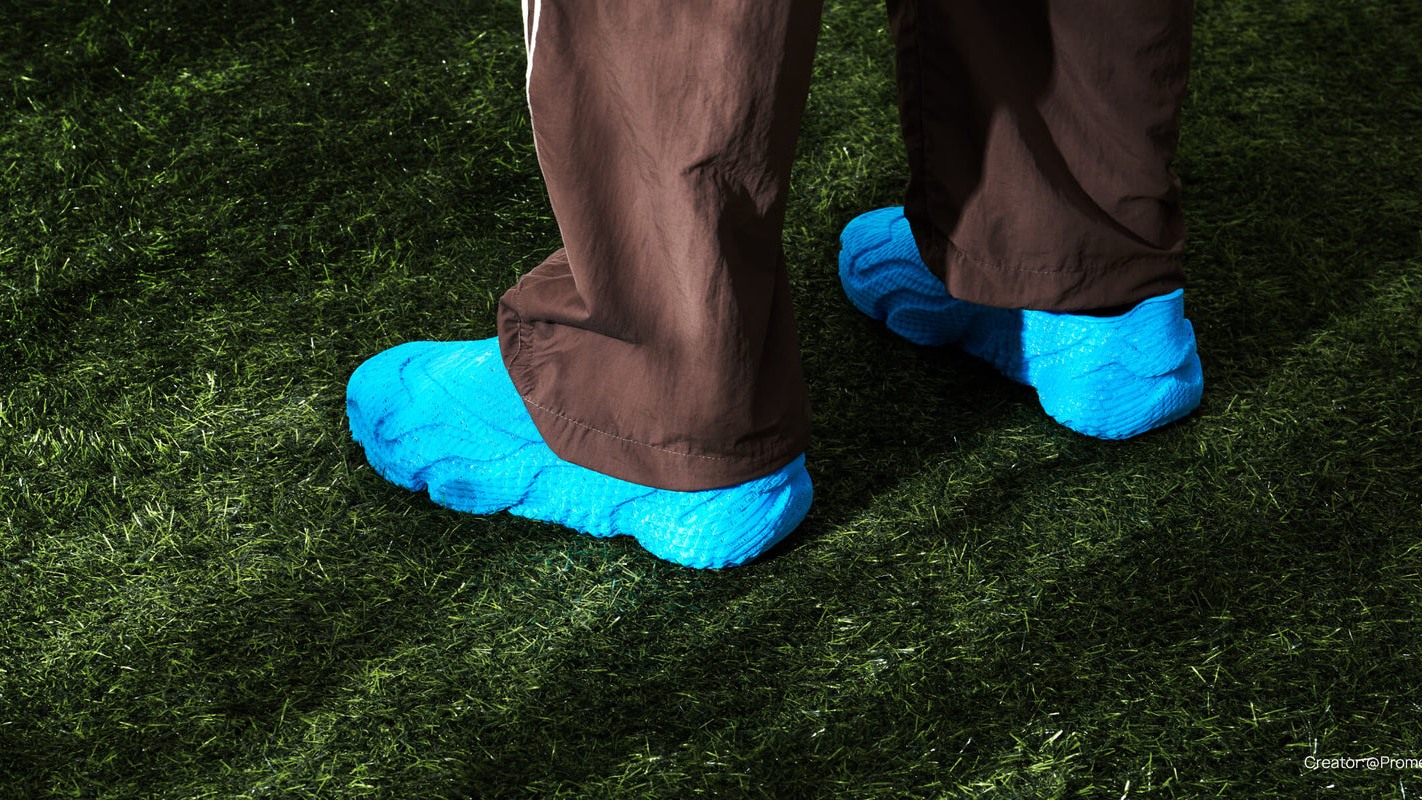
LightMake advertises up to four-times output, one-second tool changes, near-zero purge and more than 79% time saved in an internal four-color model comparison. These are workload-dependent claims. Parallel copies need geometry that fits the coordinated layout; a prime tower still occupies material and space; and a failed calibration between heads can create seams even when motion repeatability is high.
The Kickstarter context adds delivery, support and production risk beyond normal retail purchasing. TVG has not tested the printer, measured its power draw or inspected the slicer. The useful question is therefore narrower than whether four is better than one: can the shipping system keep four nozzles aligned, scheduled and serviced without turning its headline advantage into maintenance overhead?



I found that this setup struggles with complex geometries where precise alignment is essential. My experience showed that even with independent heads, managing thermal expansion across four axes remains a significant challenge.