
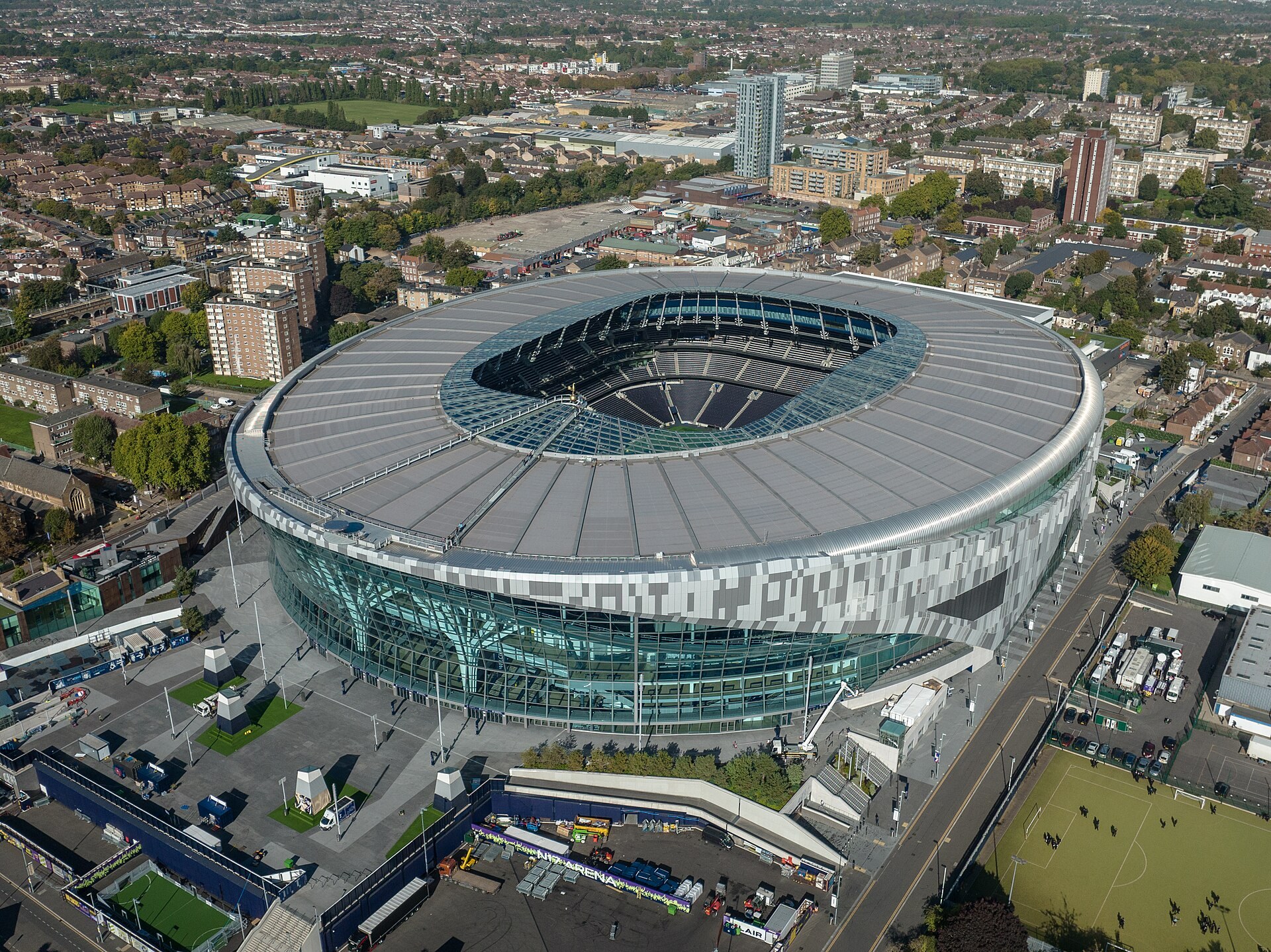
HPE and Tottenham Hotspur have expanded their technology partnership to cover a wider rebuild of the systems behind Tottenham Hotspur Stadium. Announced on September 2, the agreement makes HPE the club’s Official Hybrid Cloud and IT Enterprise Networking Partner and spans the venue network, hybrid-cloud management and supporting services rather than a single wireless upgrade.
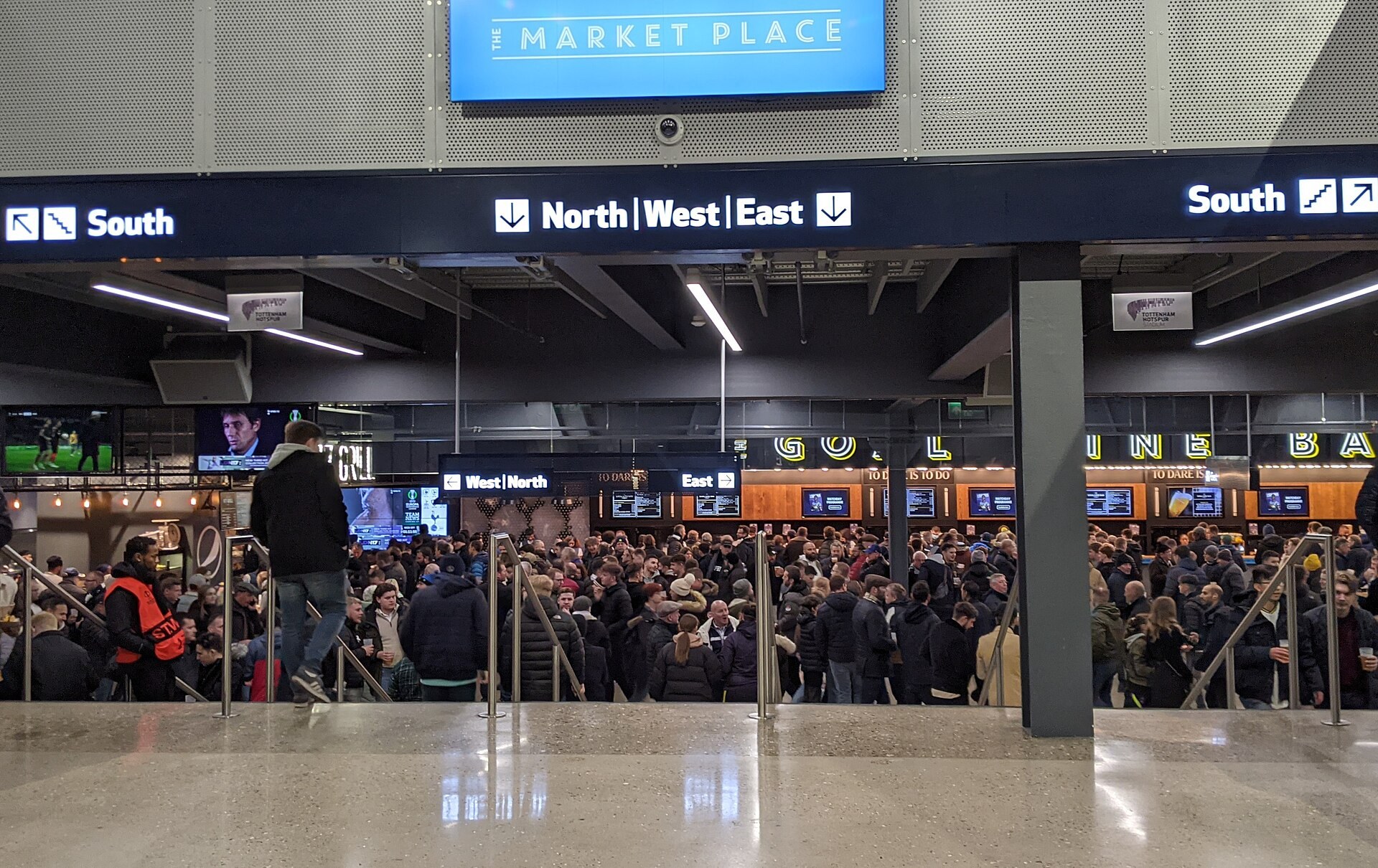
The work is aimed at the infrastructure supporting both match days and the stadium’s other large events, including NFL games, concerts and boxing. In its official announcement, HPE identifies ticketless entry, cashless payments, mobile applications, digital wayfinding and high-density connectivity as services the updated environment is intended to support. Those are distinct workloads, but they share a dependence on reliable access from the turnstiles and concourses to the applications and data behind them.
Outdoor Wi-Fi 7 joins a wider network overhaul
Tottenham plans to deploy outdoor Wi-Fi 7 as part of the refresh. HPE says that would make the stadium one of the first venues to use the latest wireless standard outdoors. The outdoor component matters at a multi-use venue because connectivity demand does not begin at a seat: queues, entrances and circulation areas also carry mobile tickets, club apps and visitor navigation.
The wireless rollout sits inside a broader HPE Networking deployment spanning data-center, campus and edge infrastructure. HPE Aruba Central will provide the management platform across that environment. Data Center Dynamics’ report on the project likewise describes Wi-Fi 7 as part of an AI-focused connectivity modernization, not as a stand-alone access-point replacement.
HPE calls the design a “self-driving network” using an agentic AI operations model. The company says Aruba Central will shift operations from reactive management to “autonomous execution,” using network data to identify and act on issues. That is HPE’s characterization of the system, not an independently verified performance result. The announcement does not enumerate which network changes can execute autonomously or the policies governing those actions.
GreenLake, Morpheus and OpsRamp cover the hybrid estate
The partnership also extends into computing and operations beyond the venue network. GreenLake will supply the hybrid-cloud operating and consumption model, intended to give the club a unified view of infrastructure while allowing capacity and spending to track demand. HPE presents this as a way to manage workloads across on-premises and cloud environments without treating each location as a separate operational silo.
HPE Morpheus Software and HPE OpsRamp Software have different jobs in that stack. Morpheus provides hybrid-cloud and virtualization management, while OpsRamp is used for observability and IT operations management across mixed environments. HPE says the two products will help Tottenham’s relatively small IT team manage a complex, multi-site estate, modernize its virtualization platforms and reduce operational overhead. The release does not say that either product directly runs turnstiles, payments or wayfinding; they manage the infrastructure on which such services depend.
This scope is important because stadium demand is unusually uneven. A venue may move from routine office activity to tens of thousands of simultaneous connections around an event. A common management layer can expose network and infrastructure conditions to the operations team, while GreenLake’s consumption model is designed to align available technology resources with changing requirements. HPE has not provided utilization or capacity figures to show the effect at Tottenham.
HPE Services will handle delivery and operations
The supplier’s role includes more than licensing products. HPE Services is assigned design, implementation, project management and operational work for the transformation. HPE also says it will provide technology lifecycle services, while HPE Financial Services will support a sustainable lifecycle approach and align investments with the club’s modernization program. Together, those elements put deployment and asset planning under the same partnership as the network and cloud software.
Several commercial and technical details remain undisclosed: the agreement’s value and term, the precise Wi-Fi 7 access-point models and deployment count, rollout dates, network capacity, availability targets, and measured improvements in incident or recovery times. Neither HPE’s release nor the cited DCD report independently benchmarks the new environment, so the announcement establishes product scope and intended outcomes rather than proven performance.
The practical change is a consolidation of responsibility. Outdoor Wi-Fi 7 and the data-center, campus and edge network will be managed through Aruba Central; GreenLake supplies the hybrid-cloud model; Morpheus and OpsRamp address virtualization, observability and operations; and HPE Services supports delivery. For visitors, the visible touchpoints remain entry, payments, apps and wayfinding. The engineering work disclosed this week is the shared infrastructure intended to keep those services connected across the stadium’s varied event schedule.

My experience with this level of integration suggests a significant operational shift is required. Such a change demands careful planning for legacy systems.