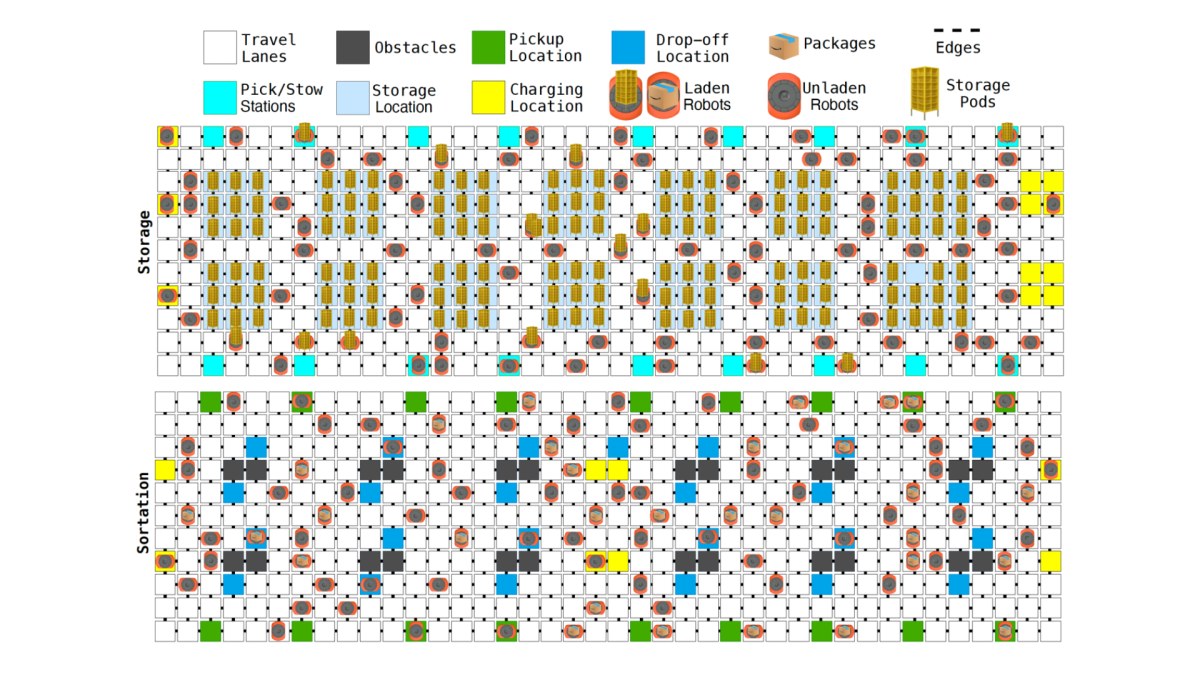
Amazon Science is using simulation to test warehouse automation before changes reach live operations. For TVG readers, the important point is simple: robotics teams are moving more validation into software workbenches because live warehouses are expensive places to discover traffic, sensor, or workflow failures.
Quick answer
- What changed: Amazon is emphasizing simulation as part of its warehouse robotics development pipeline.
- Why it matters: simulation can expose fleet congestion, layout problems, and automation edge cases before deployment.
- TVG view: this is less about one robot and more about making robotics rollouts testable.
Why it matters
Robotics teams often talk about deployment as if the hard part ends when a robot can perform a task once. Fleet automation is different. The question becomes how the whole system behaves when orders spike, aisles congest, sensors disagree, or one subsystem slows down. Simulation gives engineers a safer place to test those interactions before a change affects people, inventory, and production schedules.
The technical signal
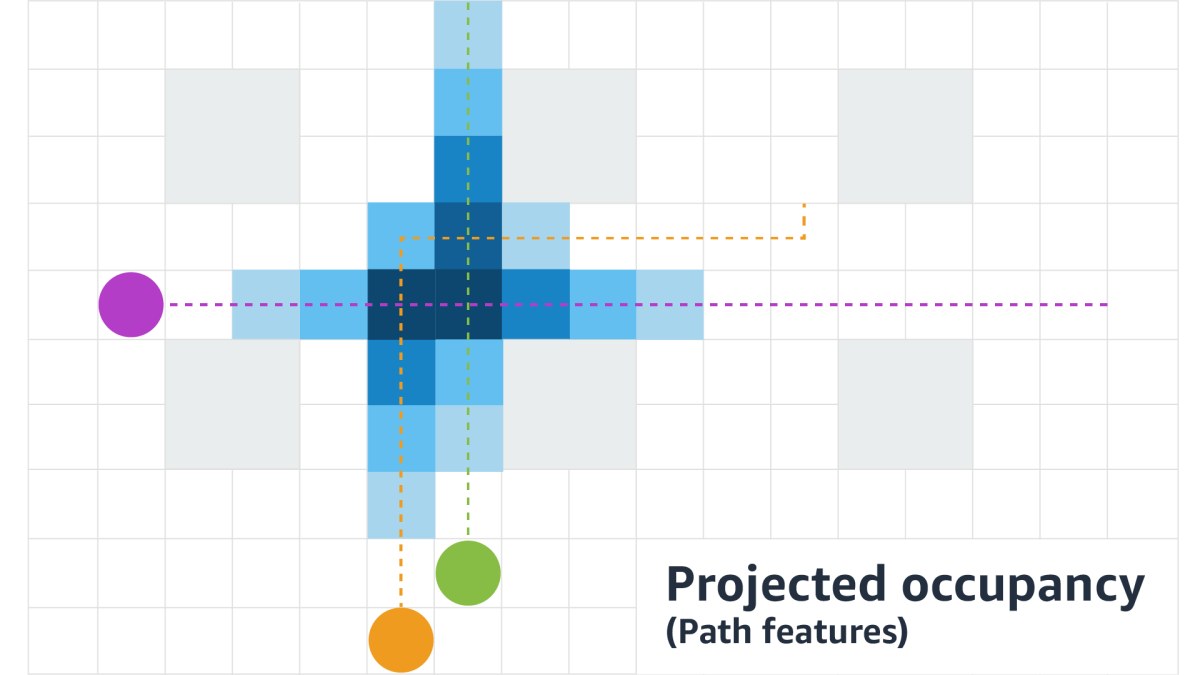
The important signal is the move from isolated robot performance toward system-level testing. Amazon Science has also published work on predicting congestion in fleets of robots and on DeepFleet models for multirobot coordination. Taken together, those public pieces show a pattern: warehouse robotics is increasingly about prediction, traffic behavior, and control policies, not just faster motors or better end effectors.
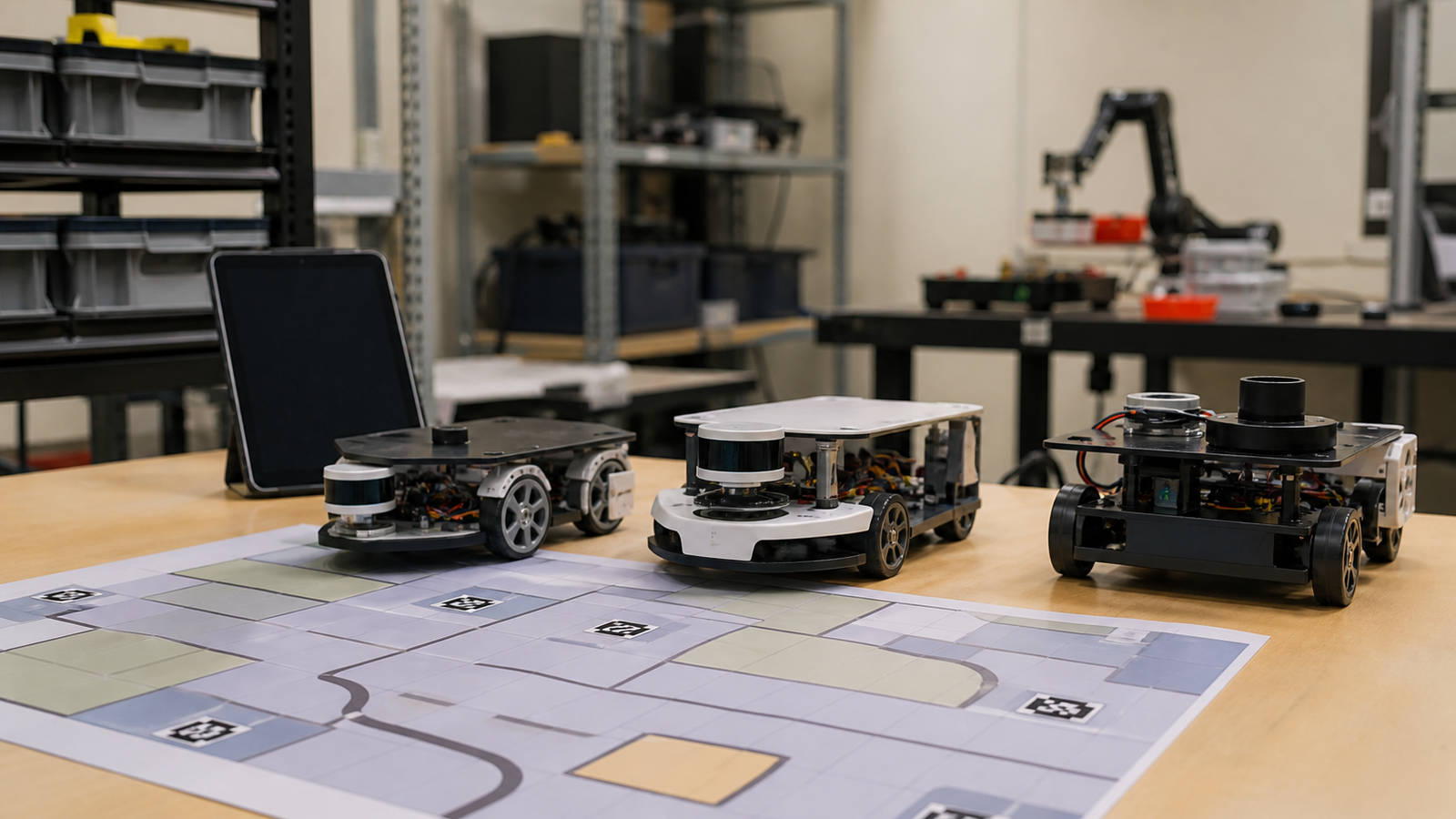
That pattern is relevant beyond Amazon. Any maker team, STEM program, or robotics startup that moves from one robot to several robots faces the same class of problem at smaller scale. The first robot can be debugged by watching it. The fifth robot needs logs. The twentieth robot needs scenario tests, map discipline, and a way to reproduce edge cases without blocking the real workspace.
- Test congestion scenarios before changing dispatch rules.
- Replay sensor and path-planning failures in a controlled environment.
- Compare simulated assumptions with real robot logs after every pilot.
- Keep safety constraints visible in the model instead of treating them as paperwork.
TVG Analysis
The risk is that simulation can create false confidence if it is not tied to field data. A model that ignores floor friction, human interruptions, wireless coverage, lighting, damaged totes, or battery aging may look clean while hiding the exact variables that break deployments. The useful version is a loop: simulate, test, compare, update the model, and only then widen deployment.
What TVG will watch next
TVG will watch whether more robotics vendors expose practical validation tools for smaller teams, not only enterprise operators. If simulation remains locked inside major warehouses, makers and startups will learn the lesson slowly. If better scenario testing becomes accessible, even classroom robot fleets can start teaching deployment reliability instead of only task completion.
For small teams, the lesson is to start modestly. A robotics club does not need a full enterprise digital twin to benefit from simulation discipline. It can begin with a floor map, a list of robot states, a few repeatable traffic scenarios, and a requirement that every software change be tested against the same blocked-aisle and low-battery cases before a public demo.
The editorial caution is also important: TVG is not claiming Amazon’s internal work is available as a product for makers. The public signal is methodological. Large operators are investing in ways to discover system problems earlier, which is exactly the mindset that prevents smaller deployments from becoming fragile one-off demos.
Related TVG reading
- https://tvgreport.com/nvidia-jetson-thor-t3000-t2000-edge-robotics/
- https://tvgreport.com/outdoor-poe-camera-grounding-surge-robot-vision-guide/