A sports timing gate looks simple: place two sensors, start a timer, stop a timer, and compare athletes or robots. In practice, it is a compact systems-engineering lesson. Light changes, body position, cable placement, reflections, wireless delay, and sloppy mounting can all change the result.
That is why timing gates are a strong broadened-lane topic for TVG. They connect sports technology to sensors, calibration, data quality, and maker hardware without drifting into lifestyle gadget hype.
Quick answer
A good STEM timing-gate project should teach students to design the failure cases first. The goal is not just to produce a number. The goal is to know when that number is trustworthy.
What students should build
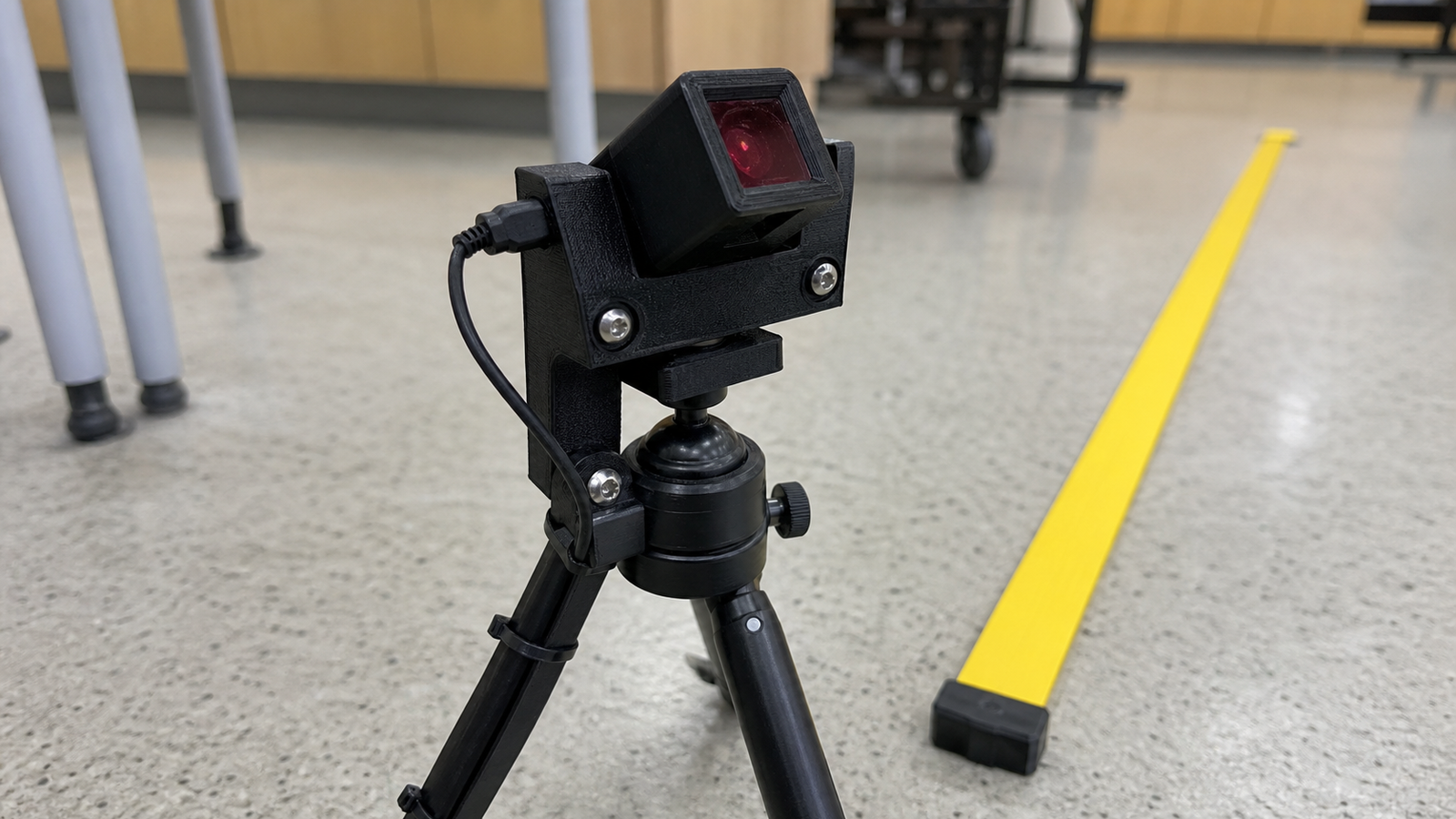
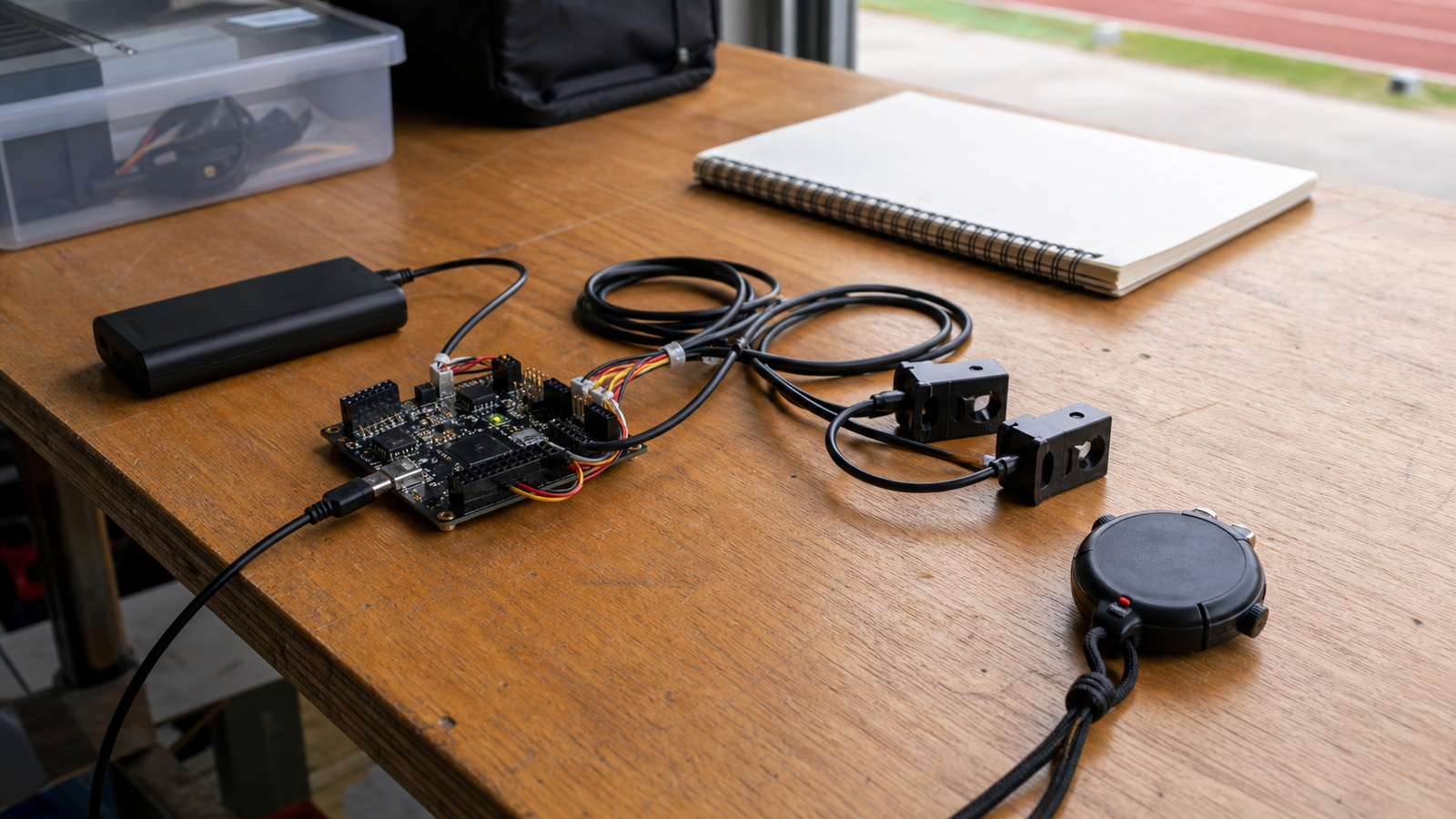
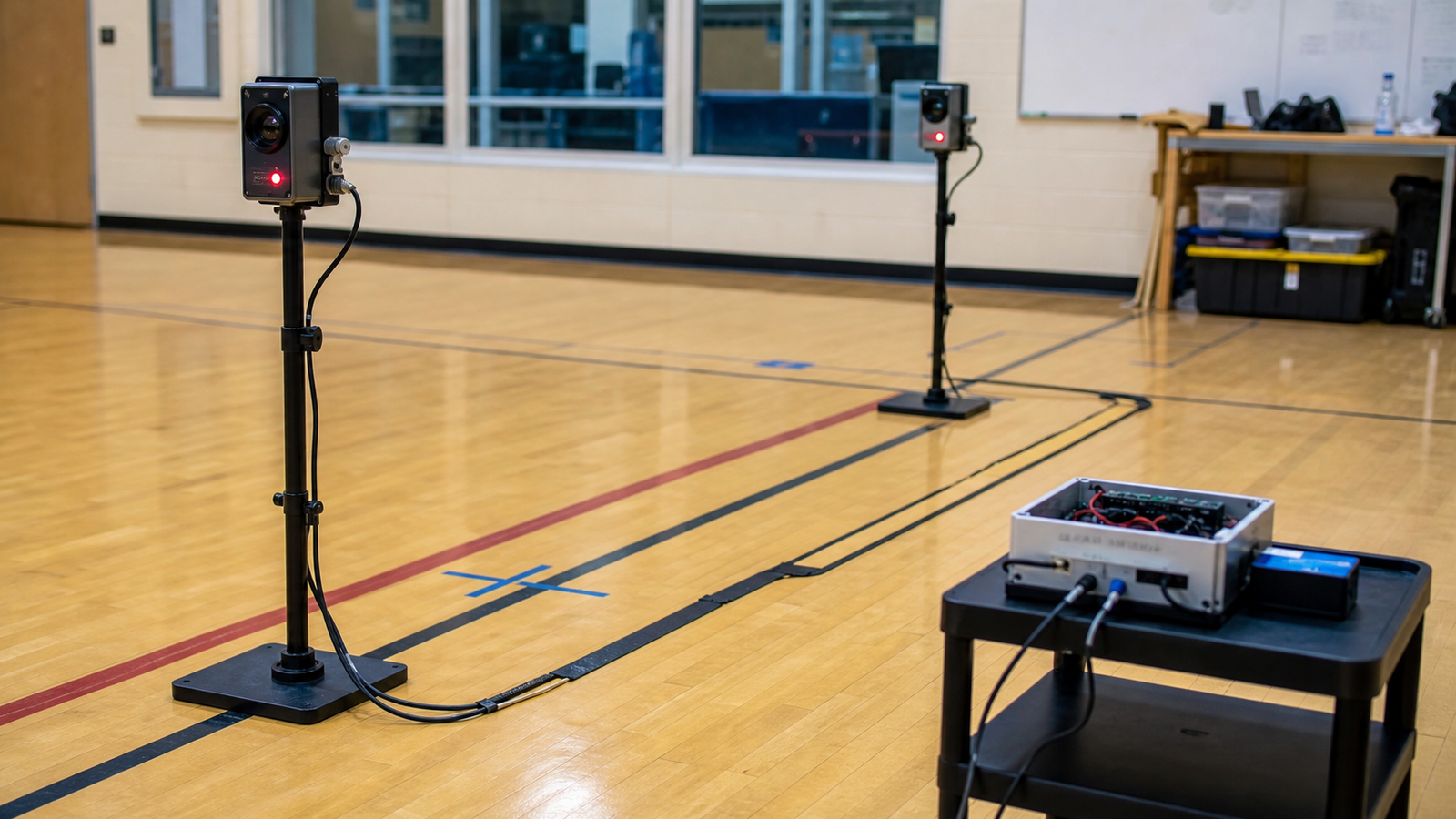
- Sensor pair: infrared break-beam, time-of-flight, camera trigger, or another clearly documented sensing method.
- Stable mounts: tripods, printed brackets, or field rails that keep alignment repeatable.
- Timing controller: a microcontroller or single-board computer that logs raw events and calculated times.
- Reset workflow: a visible way to arm, test, and clear the system before each run.
- Data record: time stamps, run number, notes, and obvious invalid-run flags.
FIFA’s semi-automated offside technology is a high-end example of the same larger idea: sports systems depend on sensor placement, tracking, calibration, and interpretation. Student projects do not need stadium-grade hardware to learn that lesson.
Failure cases to test
Have students deliberately create bad runs. Walk through the beam slowly. Trigger the gate with a swinging arm instead of a torso. Move the sensor in bright sunlight. Pull the cable slightly. Run two people close together. The lesson is more valuable when students see how a clean number can be wrong.
That approach fits TVG’s practical STEM coverage alongside robotics vision work, including the robot vision lighting checklist. The field condition is part of the system.
Safety and fairness notes
Timing projects should not encourage unsafe racing, blind sprinting through equipment, or unfair comparisons between students. Keep the gate off the running path, use flexible mounts where possible, and teach the system as an engineering measurement tool rather than an athlete-ranking device.
TVG Take
The best sports-tech STEM project is not the one with the most polished scoreboard. It is the one where students can explain the measurement limits. A timing gate teaches sensors, mechanics, code, statistics, and field safety in one small build if the team treats false triggers as part of the assignment.
Low-cost build path
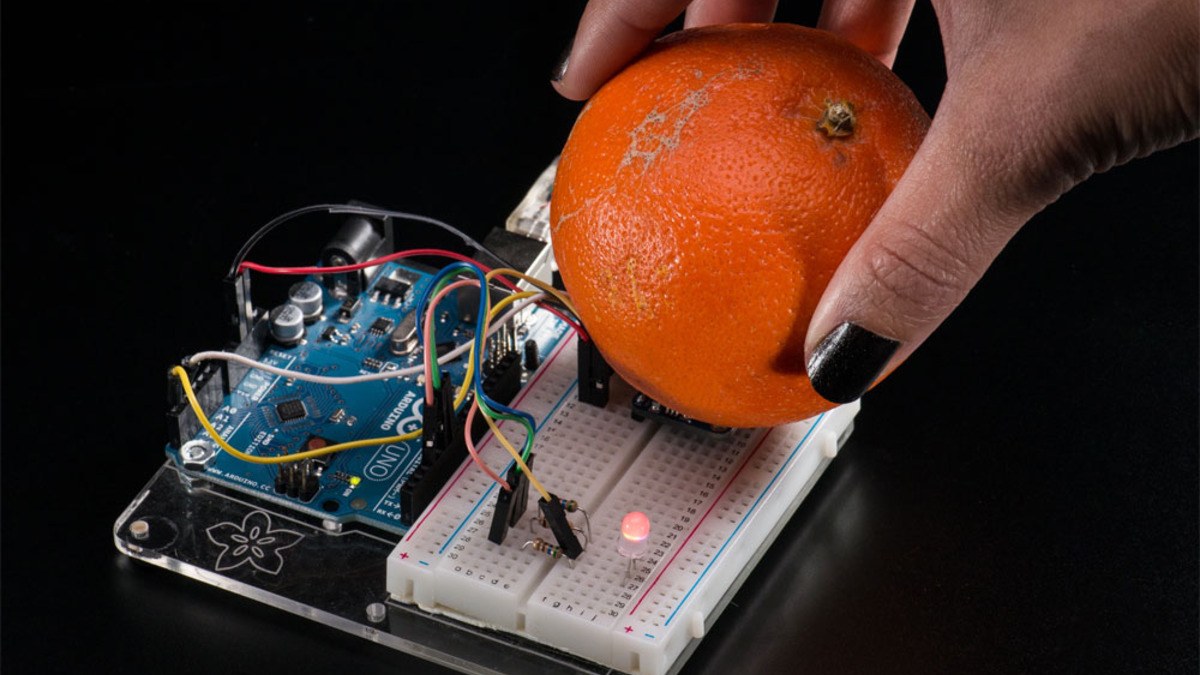
A club can start with a microcontroller, two sensor stands, a visible arming light, and a CSV log saved after each run. The first milestone should be repeatability, not speed. Put the same object through the gate multiple times, vary the lighting, move the mount slightly, and ask students to explain which changes affected the result.
The project can then grow into a richer sports-tech system: wireless start buttons, lane IDs, safer tripods, weather notes, or a camera-based confirmation frame. Each feature should come with a new failure test. That habit keeps the project from becoming a flashy scoreboard with weak measurement discipline.
Data quality questions
Ask students to record whether each run was valid, questionable, or invalid before they see the final ranking. That prevents the timing number from becoming more authoritative than the measurement process. It also introduces a useful engineering habit: separate raw sensor events from interpreted results.
For advanced teams, compare two timing methods on the same lane. A break-beam gate, a camera trigger, and a manual stopwatch will not agree perfectly. The discussion around why they differ is often the most valuable part of the project.
Sources
- FIFA: semi-automated offside technology
- Arduino Education: Science Kit R3
- TVG: Robot vision lighting checklist