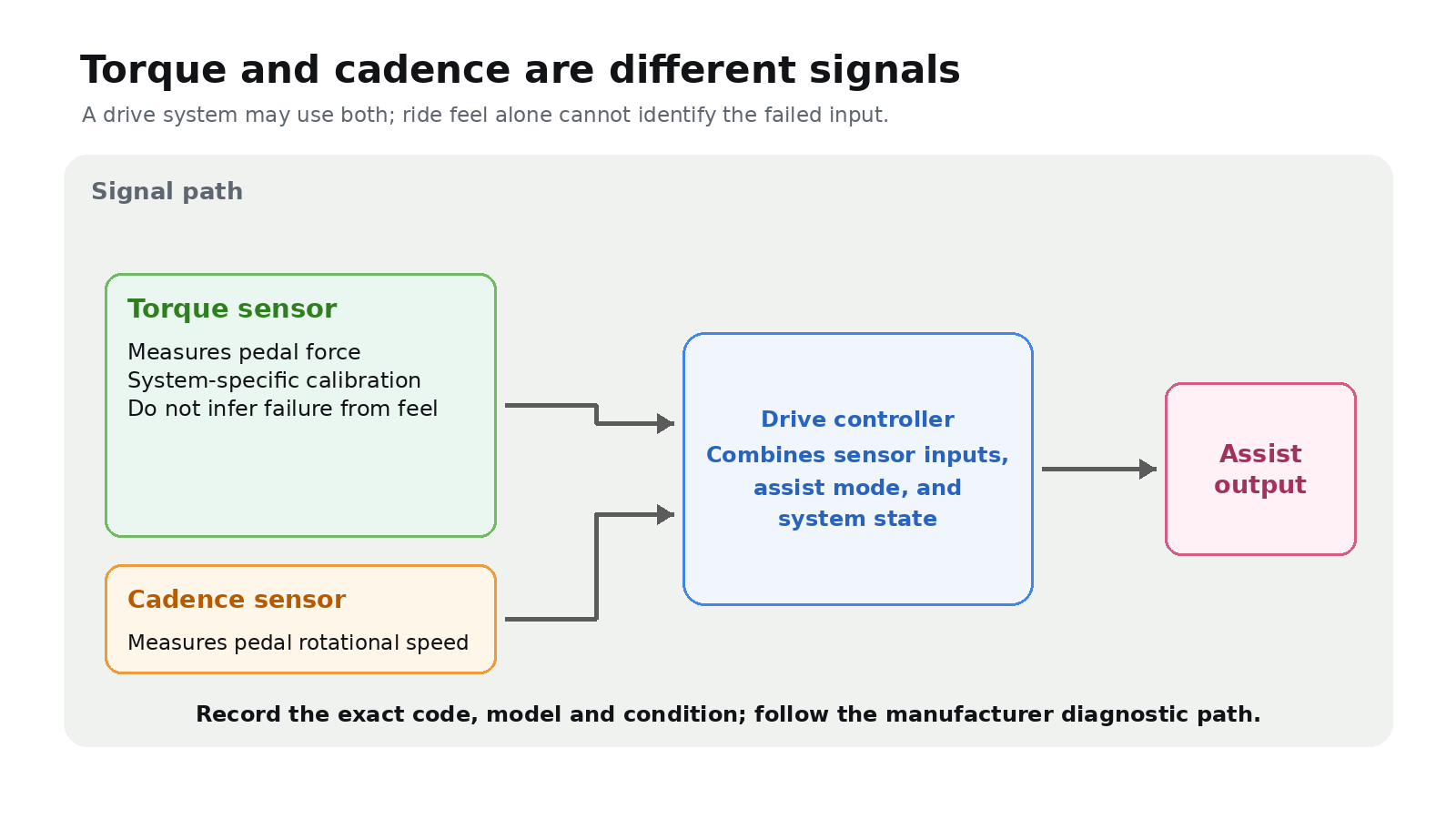
Quick answer: A torque sensor measures pedal force; a cadence sensor measures how fast the pedals turn. They are different signals, not necessarily competing system types. Bosch’s Performance Line CX, for example, uses both as part of a larger sensor set. Ride feel alone cannot identify the failed signal or component.
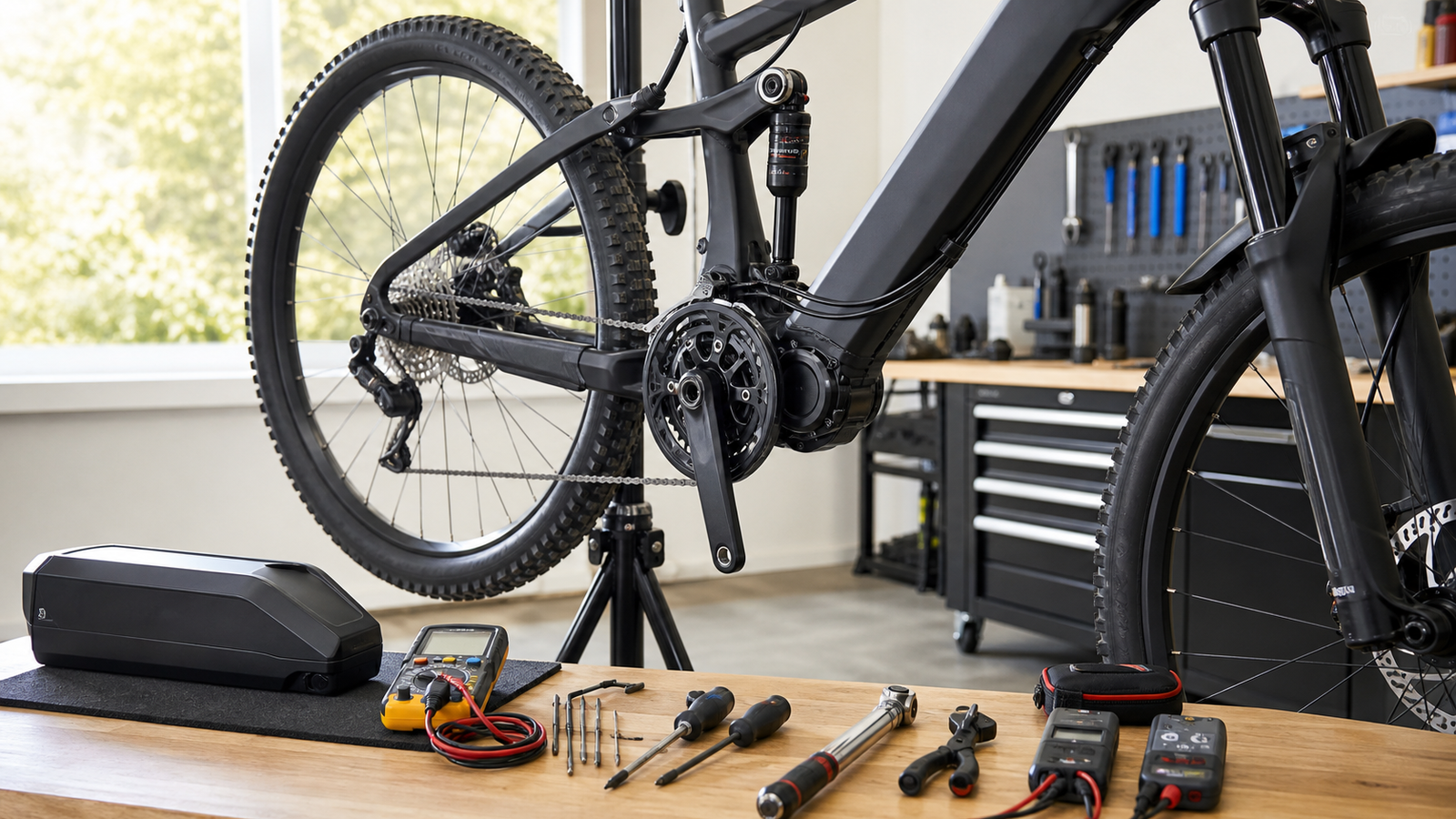
Identify the system before the sensor
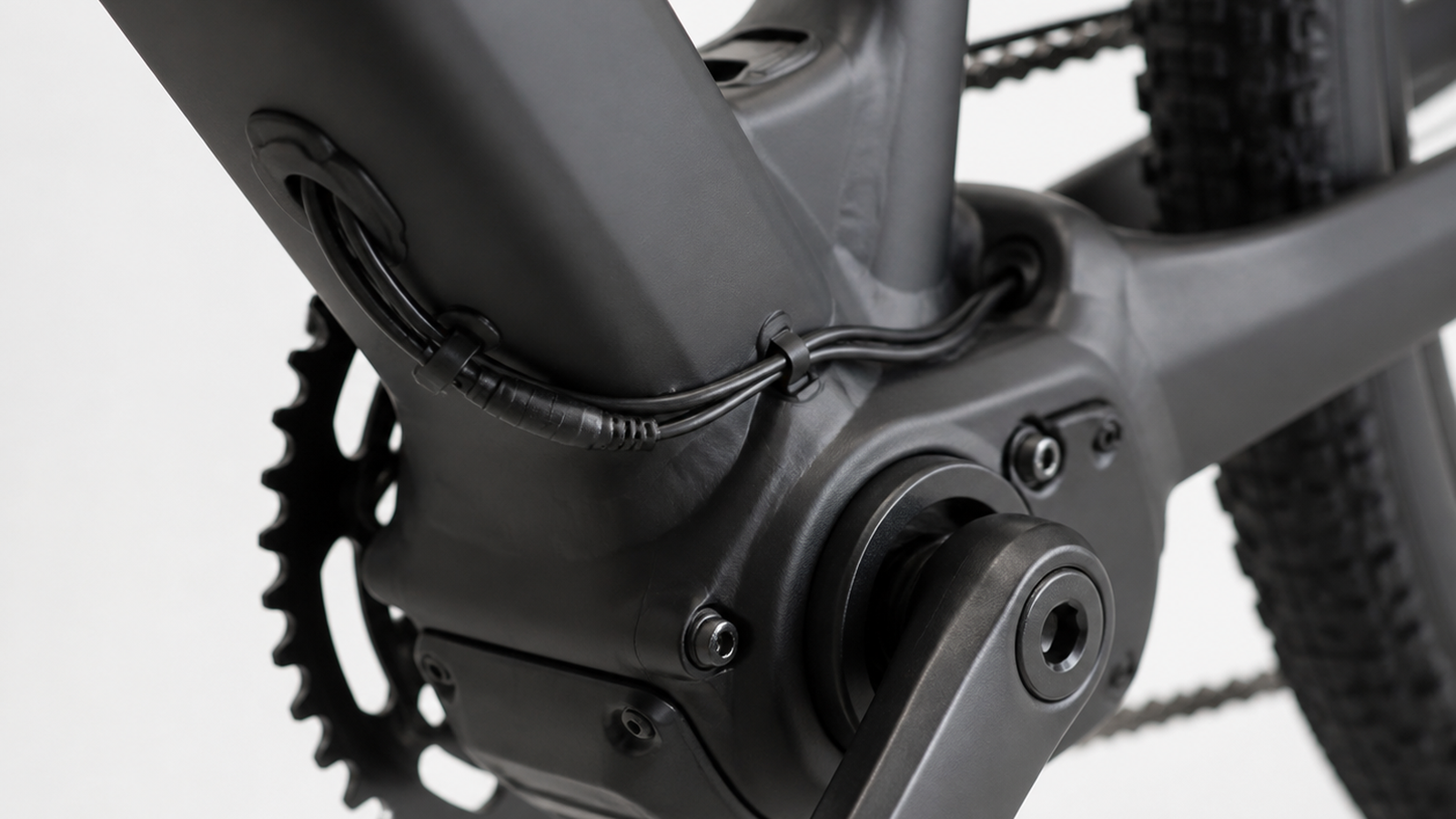
Start with the bike model, drive-unit model, display or app, and current software state. Then use that system’s manual. A generic “torque-sensor bike” checklist can be wrong for a drive that combines torque, cadence and other inputs inside the motor assembly.
Torque describes force at the pedals; cadence describes rotational speed. A controller can use both with assist mode and other system inputs. Weak, delayed or abrupt assistance is therefore a symptom—not a sensor diagnosis.
Capture the fault without changing it
Before restarting, updating, disconnecting or replacing anything, record:
- the complete displayed error code or message;
- bike and drive-system model;
- indicated battery state and selected assist mode;
- whether the behavior begins at startup or under a repeatable condition;
- the last documented service, software update or impact;
- clear photos of visible, user-accessible damage.
Do not infer cause from sequence alone. A symptom noticed after rain or service is not proof that moisture or the serviced part caused it.
Follow model-specific checks
Use the manufacturer’s procedure for the exact code. Bosch publishes error-specific Help Center steps; some call for a restart or software update, while persistent errors are routed to a specialist dealer. That does not authorize opening a battery, drive unit or controller.
Inspect only external items identified as user-accessible by the manual. Stop riding and escalate if wiring is damaged, an enclosure is compromised, the bike has suffered impact or water ingress, the battery is deformed, hot or odorous, or assistance behaves unpredictably.
Some cadence systems expose a magnet ring or pickup, but that layout is not universal. Some torque systems have a documented startup or calibration procedure, but that is product-specific. Do not realign, zero or probe a sensor from a generic checklist.
Make the service handoff useful
Give the technician the error code, system identity, software state, symptom conditions, recent changes and photos. The diagnostic difference is not “torque failure feels like X; cadence failure feels like Y.” The sensors measure different quantities, may operate together and must be evaluated through the exact drive system’s documented diagnostics.
Disclosure: TVG did not diagnose or test a specific e-bike for this guide. The Bosch system is an attributed architecture example, not a universal repair procedure.