Google’s latest Android XR developer posts point toward a practical shift: XR glasses are being treated less like isolated demo hardware and more like another Android form factor that developers need to test, ship and support.
In The Android Show | XR Edition, Google described an expanding Android XR platform that includes glasses and new devices. Separate Android Developers updates covered tooling, engine support and ecosystem work, plus Developer Preview 4 of the Android XR SDK.
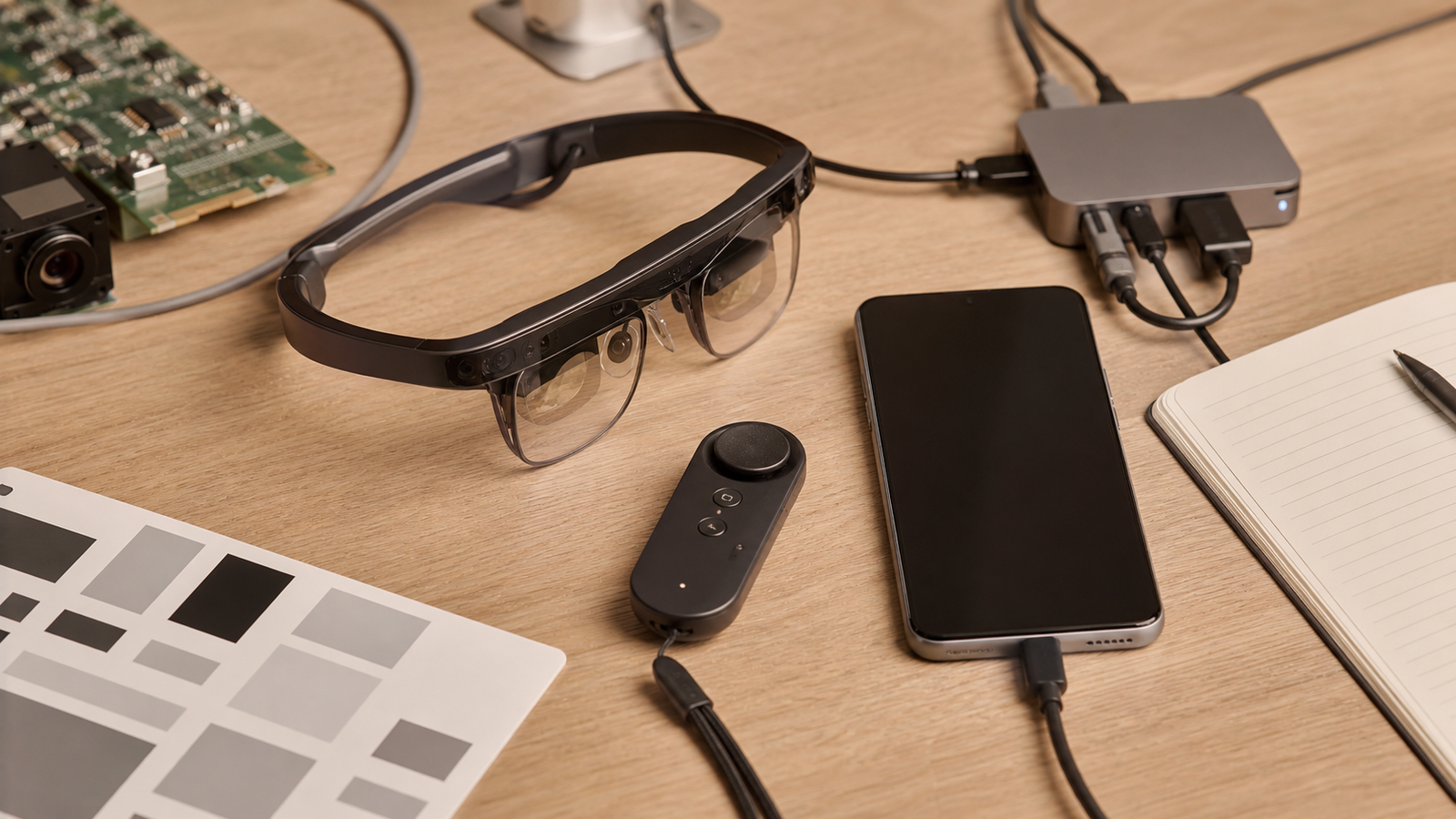
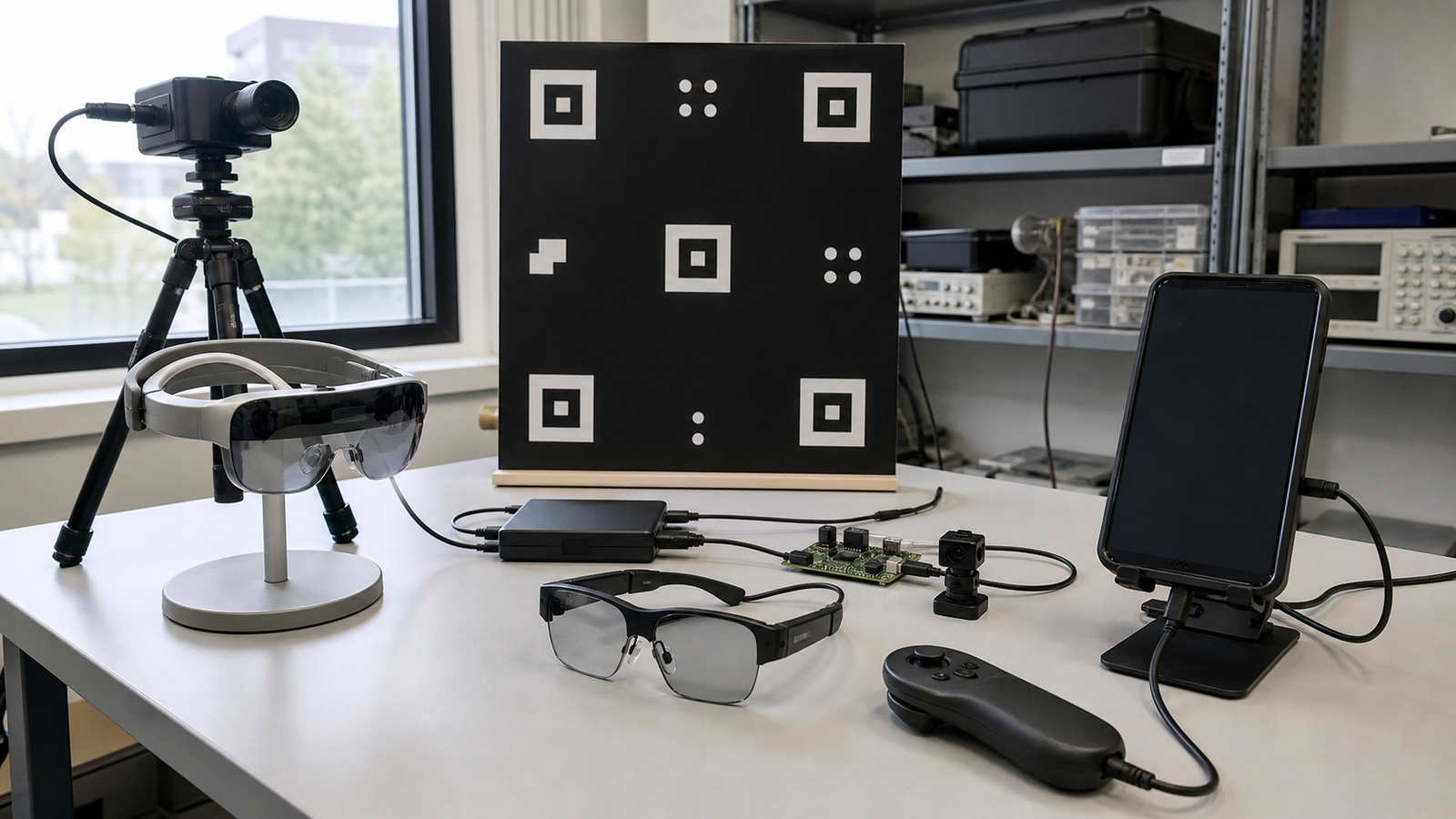
The announcements matter because glasses only become useful to builders when the software path stops being a one-off prototype. Developers need emulator behavior, input models, engine support, camera and sensor assumptions, performance budgets and a way to test the same app across headsets, wired glasses and phone-linked experiences.
What Google is signaling
Google’s posts describe Android XR as a platform spanning multiple device types rather than a single headset story. The developer angle is clear: if glasses are going to host real apps, teams need familiar Android tooling, samples, APIs and runtime expectations.
For TVG readers, the important detail is not the branding. It is the move from “look at this device” to “build a workflow that can survive different optics, inputs, batteries and user contexts.” That is where XR usually gets difficult.
Why it matters
Smart glasses and lightweight XR devices sit at the intersection of display optics, sensors, AI assistance, voice input, battery limits and developer ergonomics. A classroom project, field service app or maker-lab visualization tool has to answer ordinary questions before it becomes useful: How bright is the display outdoors? How does input work when hands are busy? What happens when network access drops? Can the app be tested without owning every device?
Engine support also matters. Google’s XR ecosystem update says official support for Unreal Engine and Godot has arrived for Android XR. That broadens the path for interactive simulations, training tools and STEM visualizations, especially for teams that already build in game-engine environments.
The same readiness question has shown up in TVG coverage of local AI workstations and portable robot dashboards: the hardware is only useful when the workflow around it is testable by ordinary teams.
Builder impact
For robotics teams, XR glasses could eventually help with teleoperation overlays, maintenance guidance, pit checklists, field setup and visual debugging. For maker labs, the more immediate use case may be documentation: step-by-step build guidance, camera-assisted assembly and shared demonstrations where a phone or tablet is not always convenient.
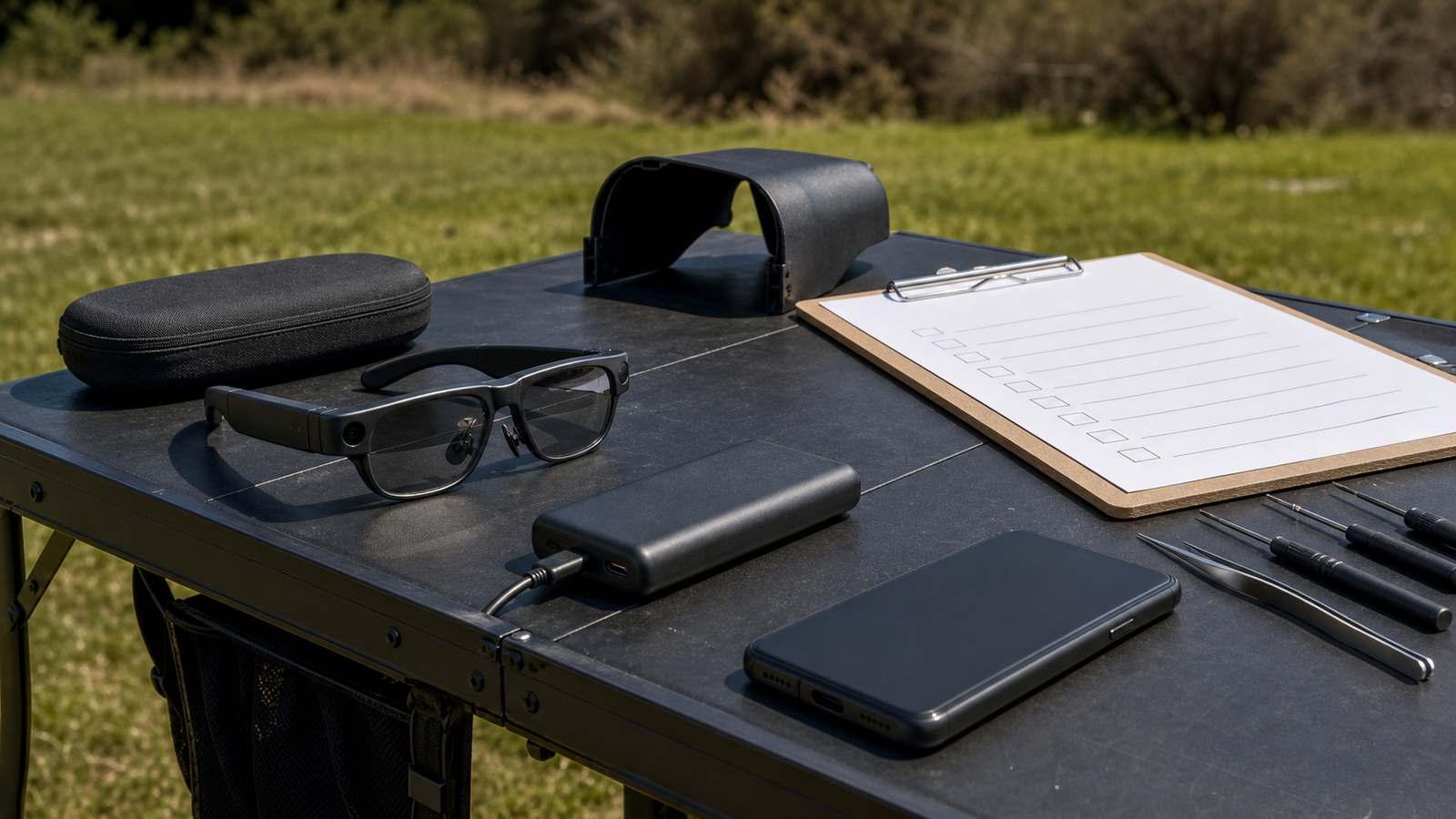
Schools and small studios should also think about operator load. A device that requires a developer account, a phone, a battery pack, a headset reset, a room scan and a careful lighting setup may be impressive but hard to repeat during an event. The best early projects will be narrow enough that a student or technician can run the checklist without guessing.
That does not make early adoption simple. Glasses can create new failure points around thermal comfort, battery life, privacy indicators, camera permissions, hand tracking, voice recognition and eye-level distraction. A good demo can hide those problems if the environment is controlled.
TVG Analysis
The practical signal from Android XR is that wearable computing is moving into the same product-readiness lane as other Android hardware. The interesting question is not whether a glasses demo can look impressive. It is whether developers get enough tooling to test latency, input fallback, accessibility, brightness, privacy and cross-device behavior before users discover the gaps.
TVG would treat early Android XR work as a lab track: prototype with tight scope, test outdoors and indoors, document battery and thermal behavior, and avoid assuming headset patterns will translate cleanly to lightweight glasses.
What remains unknown is how quickly consumer and developer devices will converge, how consistent Android XR behavior will be across vendors, and which glasses use cases will prove durable outside staged demos.