Valve’s 2026 hardware plans are interesting to TVG readers for a reason beyond a new box under the television: they put local compute, input latency and serviceability back into the same product conversation. Valve’s public material confirms its hardware activity, while Steam Deck provides the clearest current reference for the company’s approach. The new products’ final specifications and release details remain the facts to watch.
Local compute changes the control loop
A local device can keep rendering, input handling and selected services close to the player instead of depending on a remote round trip. That does not make every workload local or remove the need for a network. It does change where latency, thermal limits, storage and software updates are managed. Builders should ask which functions remain usable when the internet path is degraded.
Controller design is an engineering choice
Valve’s earlier hardware work shows that input is part of the platform, not a disposable accessory. For a living-room system, the useful measurements are not only button count: they include wireless recovery, wake behavior, charging, stick or trackpad calibration, accessibility options and whether a controller can be used while another is pairing.
Software support determines the practical ceiling
Hardware capability matters only when the operating system, drivers and game software expose it consistently. Check update policy, suspend/resume behavior, display output, storage expansion and controller mapping. Valve has not published every detail needed for a final 2026 evaluation, so current claims should be separated from future expectations.
Watch the service boundary
Steam Deck’s repair documentation makes access a visible part of the product discussion. For new hardware, look for replaceable storage, battery access, standard fasteners and published parts or repair guidance. Those details will matter to makers more than a launch slogan because they determine whether a failed component ends the useful life of the whole system.
The lineup matters more than one benchmark
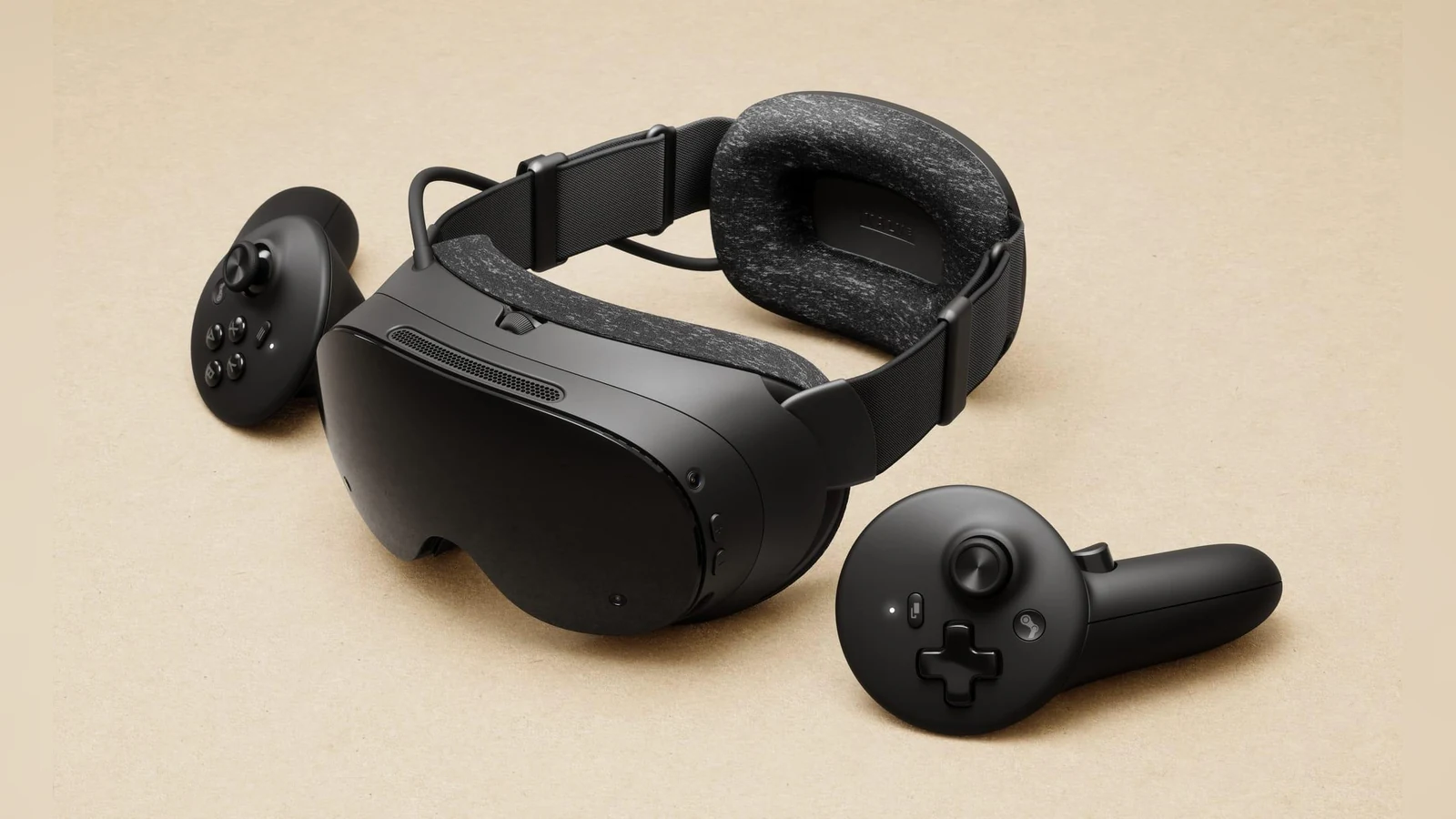
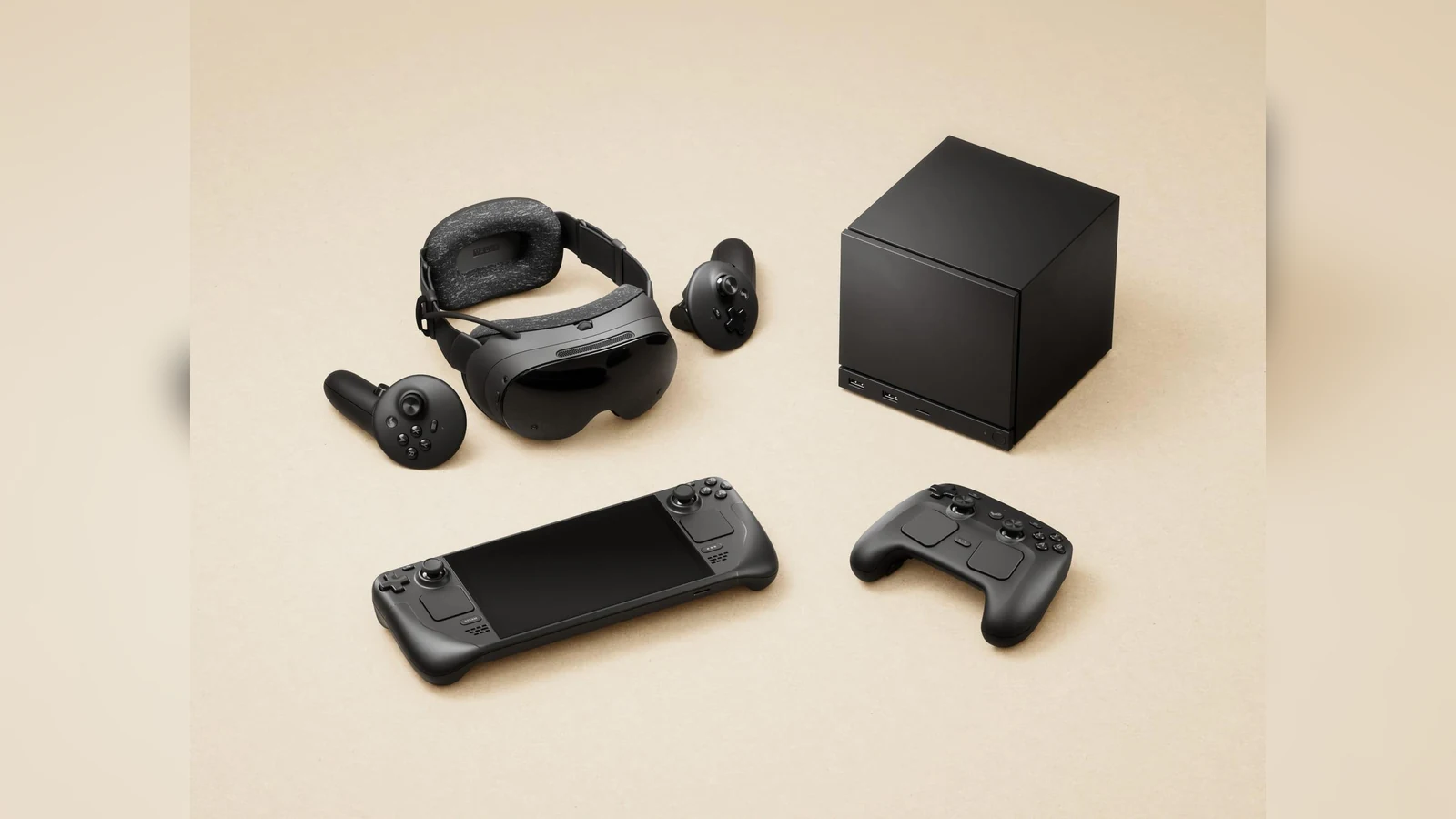
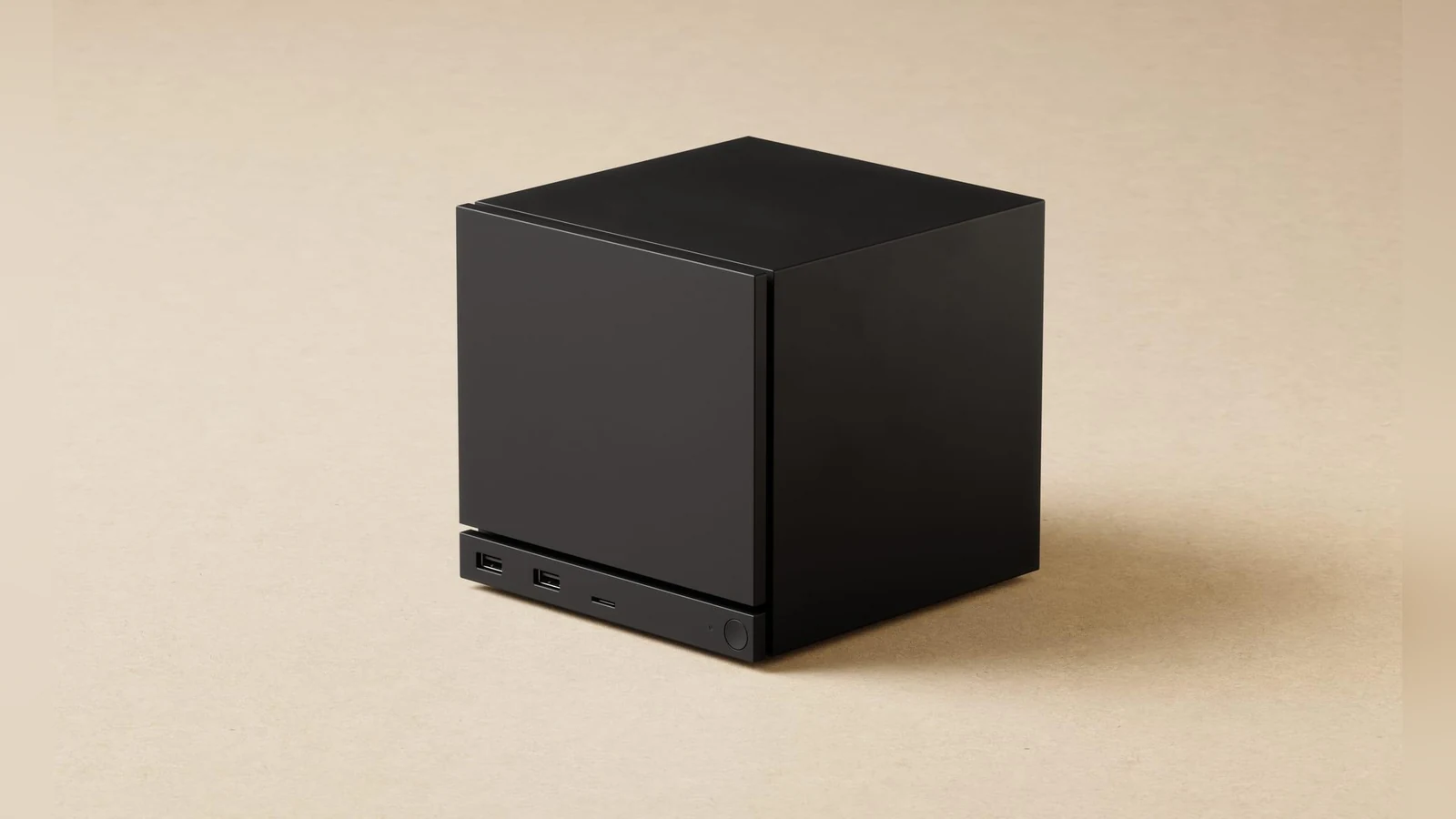
Valve’s hardware direction is easier to read as a family than as isolated devices. Steam Deck established a portable SteamOS target; Steam Frame extends the platform toward wireless VR; Steam Machine brings a compact fixed system into the same software orbit. The engineering question is how consistently games, peripherals and recovery tools behave across those forms. Buyers should separate announced specifications from availability, pricing and long-term repair support, which can change before hardware ships. Valve’s published product pages and repair history provide useful signals, but they do not replace final retail documentation. TVG will watch for stable release details, replacement-part access and whether the shared software stack actually reduces setup differences between handheld, living-room and VR use.