SD Express sounds like an easy upgrade: more card speed in a familiar card shape. For field media, robot logs, action cameras, 360 cameras, drones, and maker documentation, the decision is more complicated. A faster card helps only when the host device, reader, heat envelope, file system, and backup routine can actually use it.
The SD Association describes SD Express as capable of SSD-level performance and lists member products across the ecosystem. Its 2026 memory-technology overview points to wider adoption across card makers and devices. Buyers should still treat SD Express as a compatibility question, not a universal replacement for UHS-II or video-speed-class cards.
Quick answer
Choose SD Express when your device and reader explicitly support it and your workflow needs very fast offload or high data rates. Choose UHS-II or proven video-rated cards when your camera only supports those modes, when heat matters more than peak speed, or when compatibility is more important than future-proofing.
The label is not the workflow
Field teams often buy cards for the spec printed on the package. That can backfire. A camera may record reliably on a V60 or V90 UHS-II card while gaining little from an SD Express card it cannot use. A reader may bottleneck the offload. A fast card may run warmer. A card that is excellent for a laptop transfer may be unnecessary for a fixed-bit-rate camera mode.
TVG’s earlier V30, V60, and V90 field video guide explains the sustained-write side of the problem. SD Express adds another layer: interface support and field workflow readiness.
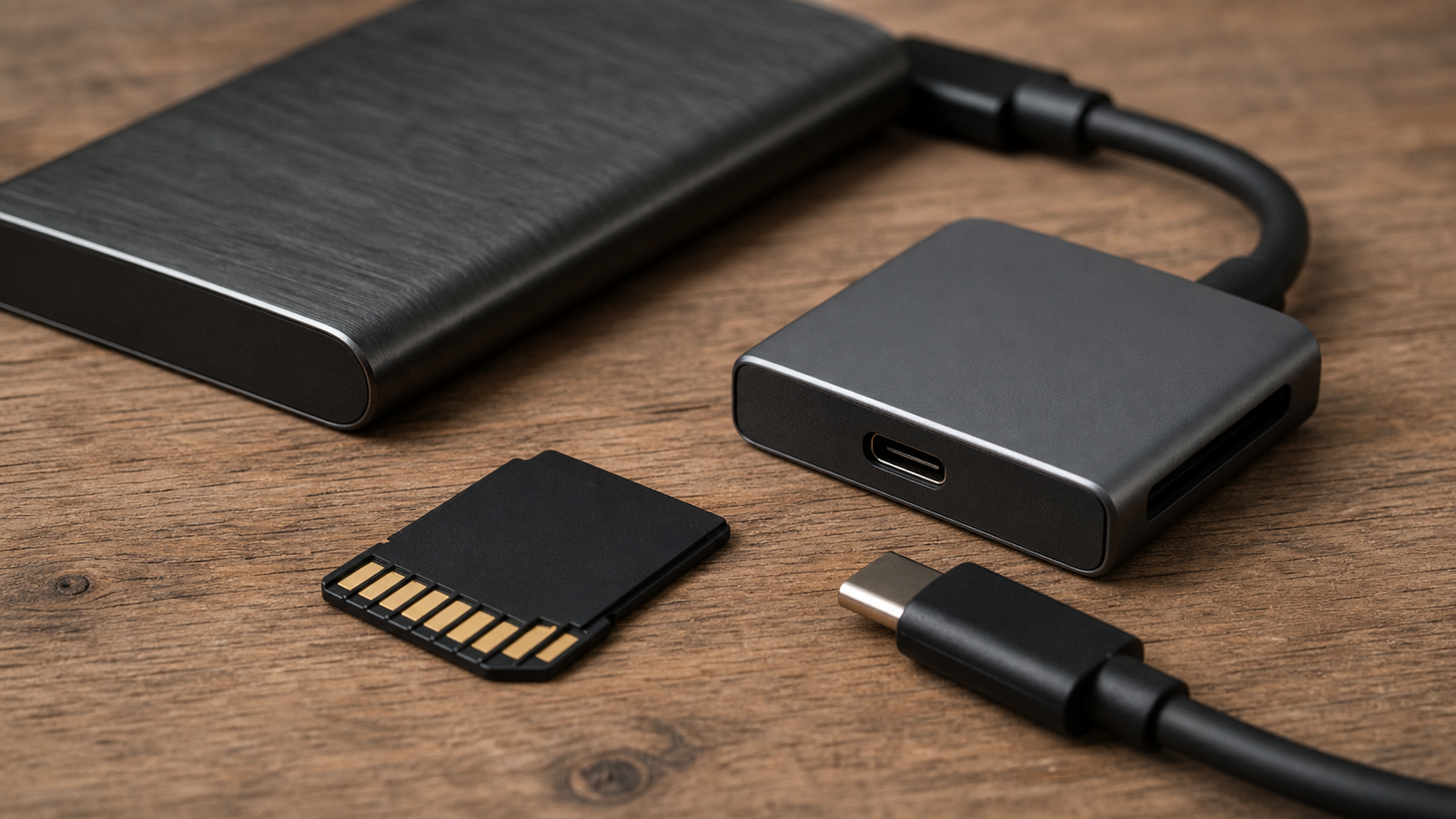
Buyer checklist
- Check the host first: the camera, drone, recorder, or laptop slot must support the interface you are buying.
- Check the reader: a slow or incompatible reader makes a fast card feel ordinary.
- Separate record speed from offload speed: your camera may care about sustained write; your editor may care about transfer time.
- Plan for heat: small cards and sealed cameras can become thermal systems during long takes.
- Keep fallback cards: a proven UHS-II card may save the shoot when a newer card-reader chain misbehaves.
- Verify copies: faster offload is not a backup until the files are checked.
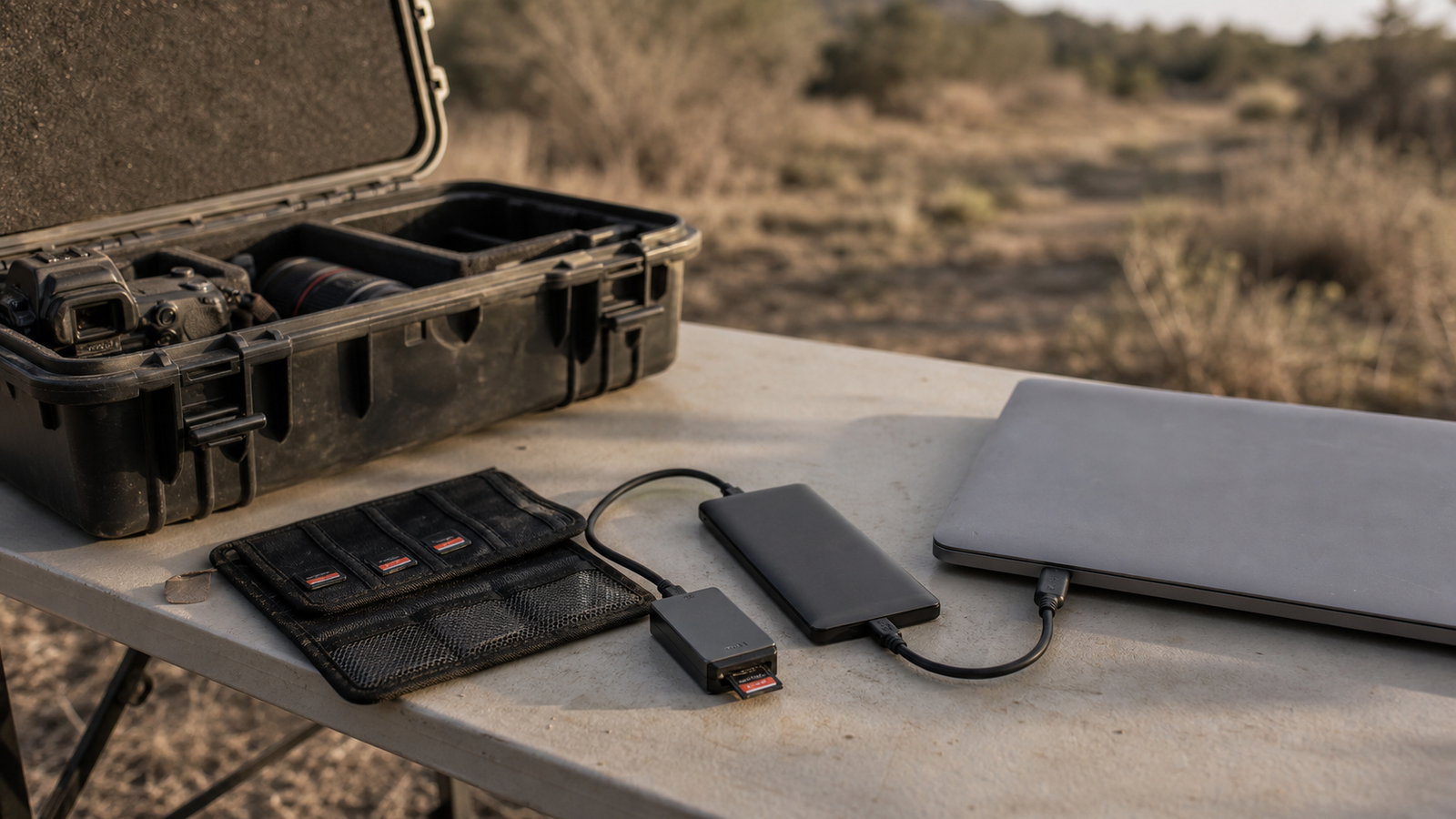
Test before the trip
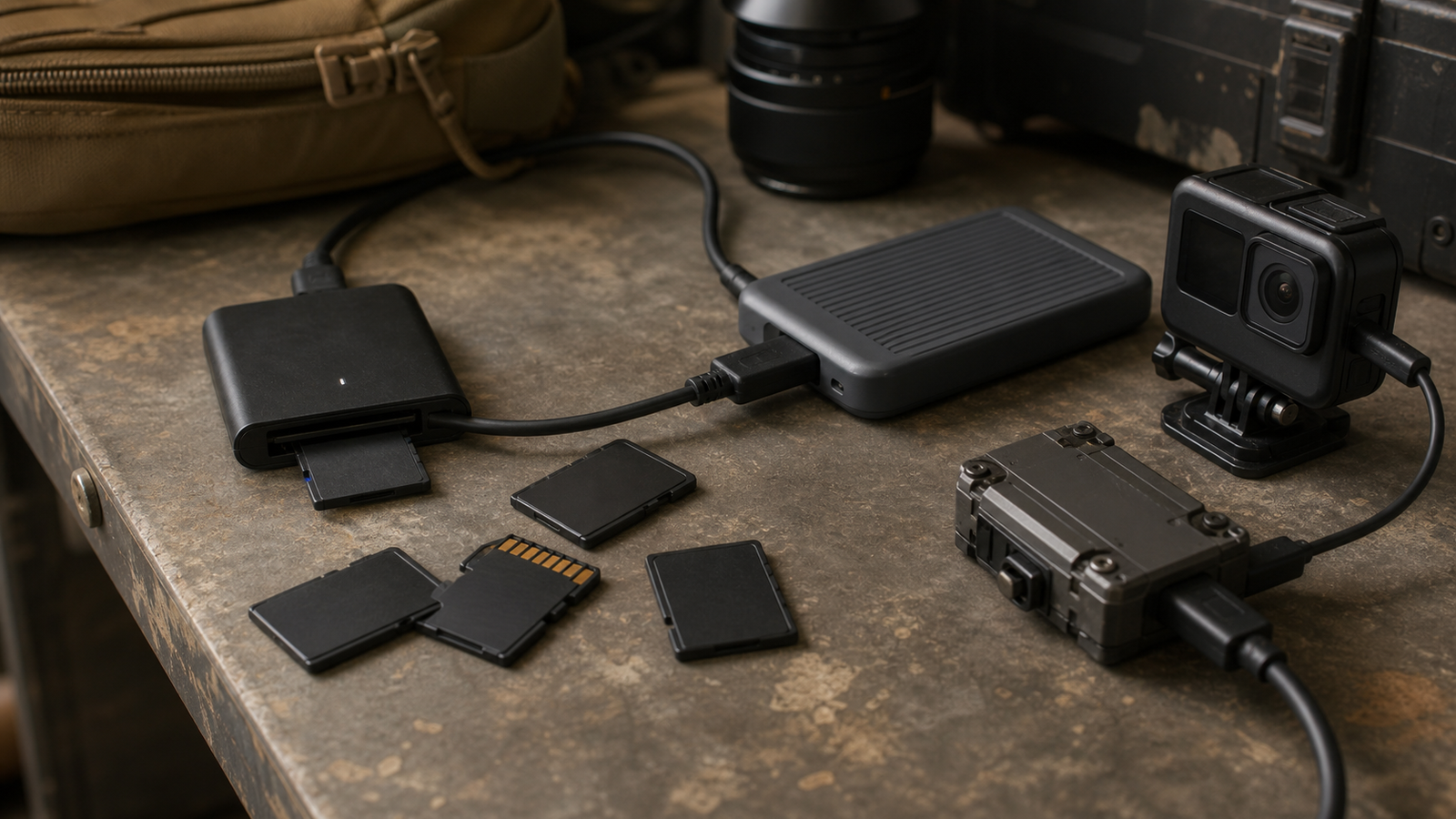
A field kit should be tested like a small data pipeline. Record a long clip in the highest mode you expect to use, fill the card farther than a five-minute demo, offload through the reader you will pack, and verify the files on the portable SSD. If the camera writes proxies, GPS logs, gyro data, or separate audio, include those files in the copy test too.
The most expensive card is not always the safest card. For a school robotics trip or maker event, a boring compatible card with a clear labeling routine may beat a faster card that depends on one reader, one laptop port, or one untested adapter.
TVG recommendation
Do not buy SD Express just because it is newer. Buy it when the device, reader, and workflow all benefit. For many makers and field creators, the best card kit will mix proven video-rated media, a known-good reader, a portable SSD, and a written copy/verify routine. Speed matters, but repeatability matters more.