NVIDIA says it has released new physical AI models and tools as robotics partners unveil machines built around its platform. The company’s announcement names new Cosmos and GR00T open models, Isaac Lab-Arena for robot evaluation, and OSMO as an edge-to-cloud framework for training workflows.
The news fits the larger 2026 robotics pattern: vendors are no longer talking only about better robot demos. They are trying to package robot learning, simulation, evaluation, and deployment into toolchains that manufacturers and builders can actually inspect.
Why it matters
Physical AI is different from chatbot AI because mistakes can move hardware. A robot policy that looks competent in a short video still has to handle lighting changes, worn grippers, bad calibration, shifted objects, network hiccups, operator overrides, and recovery after a failed action. That is why NVIDIA’s emphasis on evaluation tooling is the part TVG is watching most closely.
According to NVIDIA’s release, the partner list spans mobile manipulators, humanoids, autonomous machines, and industrial robotics. The breadth is useful, but it also raises a measurement problem. A warehouse mobile robot, a factory manipulator, and a humanoid assistant do not share one simple pass-fail test.
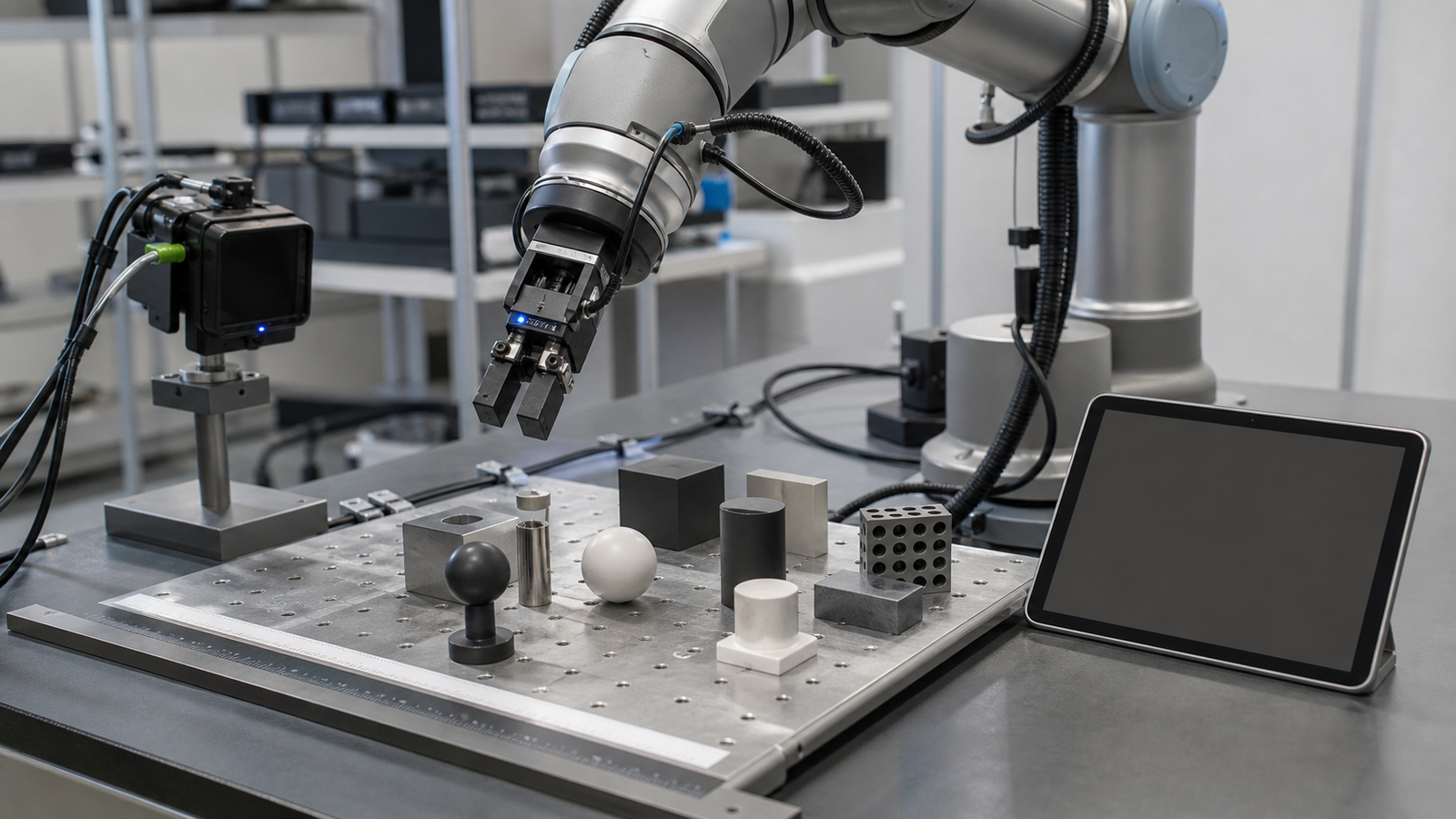
The engineering question is not only training
Training robots is hard. Evaluating them is just as important. Teams need to know whether a new model improves the real task, merely improves a benchmark, or shifts failures into cases that are harder for operators to notice.
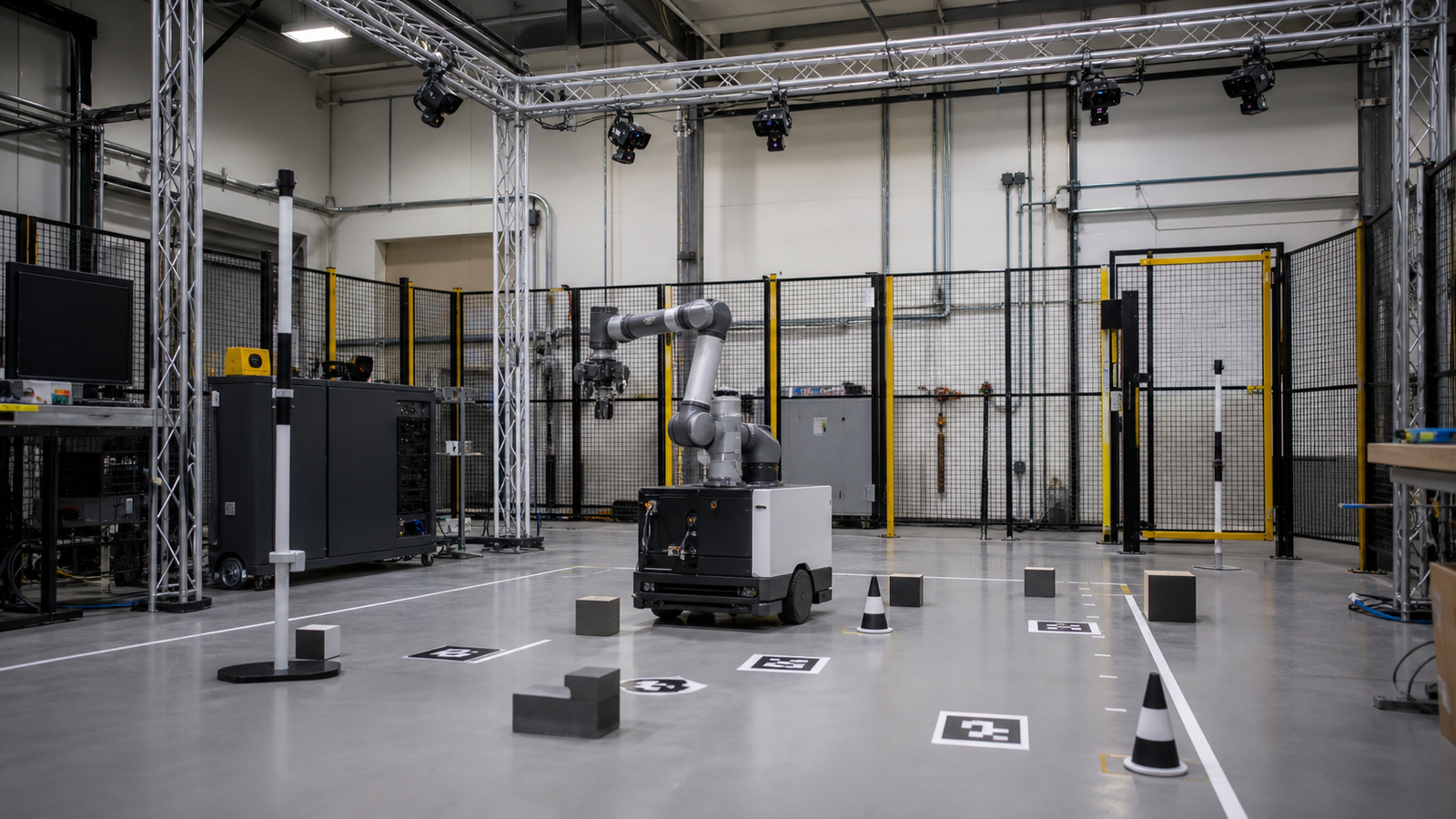
For schools, maker labs, and small automation teams, the lesson is practical. Before adopting any robot-learning pipeline, define the repeatable test: objects, lighting, starting pose, failure criteria, recovery steps, and what data is saved. TVG’s recent robot camera lighting checklist makes the same point at smaller scale: if the measurement setup changes every run, model debugging becomes guesswork.
What remains unknown
NVIDIA has not published enough public deployment data for outside readers to compare long-run robot reliability across every partner system named in the release. The open question is how much of the new stack becomes observable to customers: task logs, scenario coverage, failure taxonomies, and acceptance-test reports.
What builders can borrow now
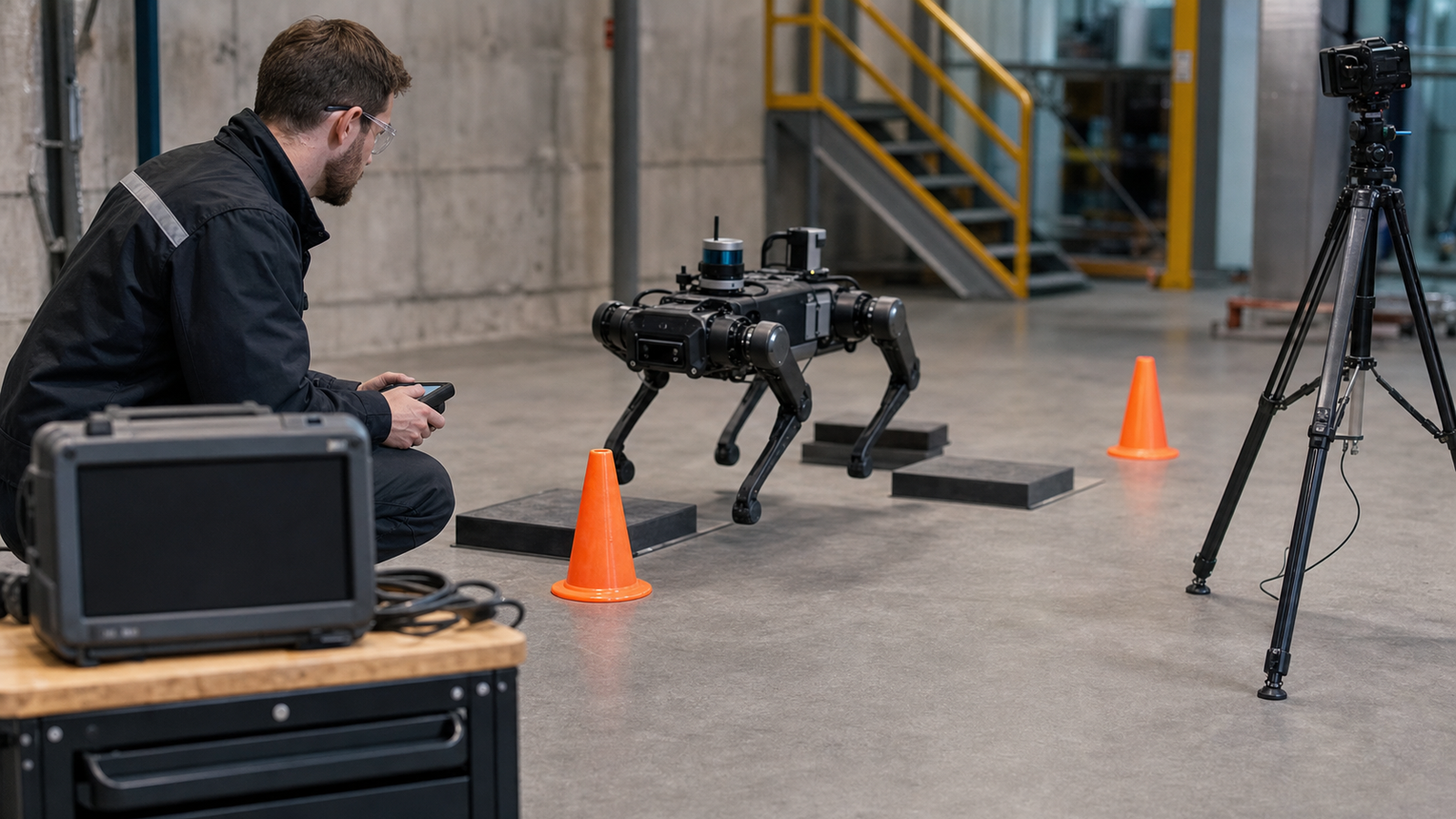
The practical lesson does not require a hyperscale robot lab. A school team or small integrator can still borrow the evaluation mindset: keep a fixed test course, document the starting state, save failed runs, and compare changes against the same task instead of a fresh demo every time. That makes the result less exciting in the moment but more useful after the first failure.
For robot-learning vendors, the same evidence gap will become a sales gap. Buyers will want to know how a system handles edge cases, how updates are reviewed, and what happens when a learned behavior becomes worse after a retraining cycle. The companies that can show this plainly will have an advantage over companies that only show polished highlight reels.
TVG Analysis
The most credible physical AI story in 2026 is not a single general-purpose robot. It is a tighter loop among data collection, simulation, evaluation, and field verification. NVIDIA’s announcement matters because it pushes that loop into the center of the robotics conversation.
TVG will be watching for independent examples that show cycle time, failure rate, intervention rate, and recovery behavior before and after model updates. Those numbers will matter more than the next impressive robot video.