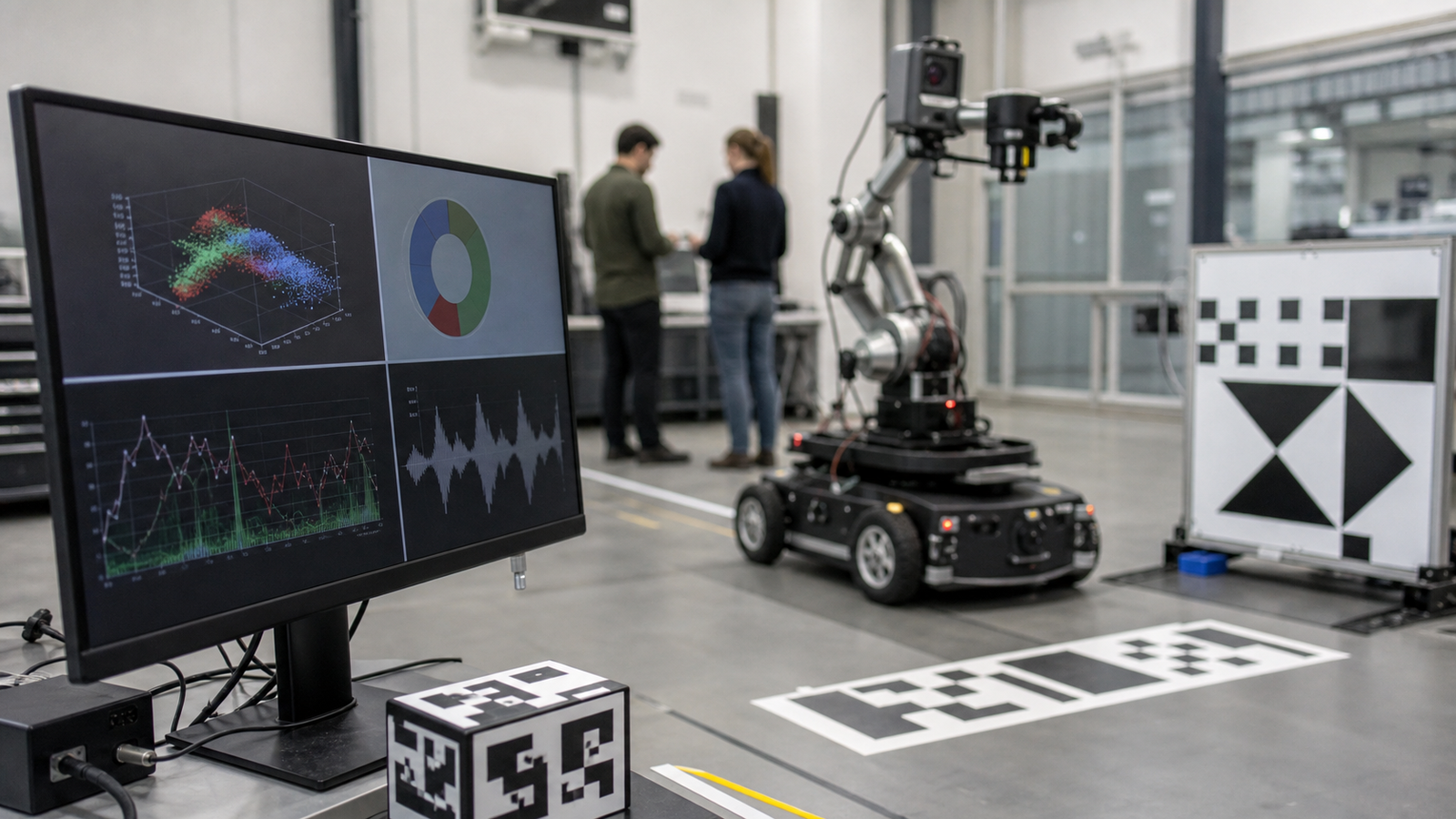
NVIDIA has announced a new round of physical AI models, robot-learning tools, and partner robot demonstrations, with the company describing new Cosmos and GR00T resources, Isaac Lab-Arena for robot evaluation, and OSMO for edge-to-cloud training workflows.
The news matters less as a single model drop than as a signal about how robot software is being packaged. NVIDIA is pushing the training, simulation, evaluation, and deployment pieces closer together instead of treating robot learning as a model-only problem.
What NVIDIA announced
According to NVIDIA, the release includes new open models and data for robot learning and reasoning, evaluation tooling through Isaac Lab-Arena, and a workflow layer meant to simplify robot training across compute environments. The company also highlighted partner robots and autonomous machines from companies including Boston Dynamics, Caterpillar, Franka Robots, Humanoid, LG Electronics, and NEURA Robotics.
Why evaluation is the real story
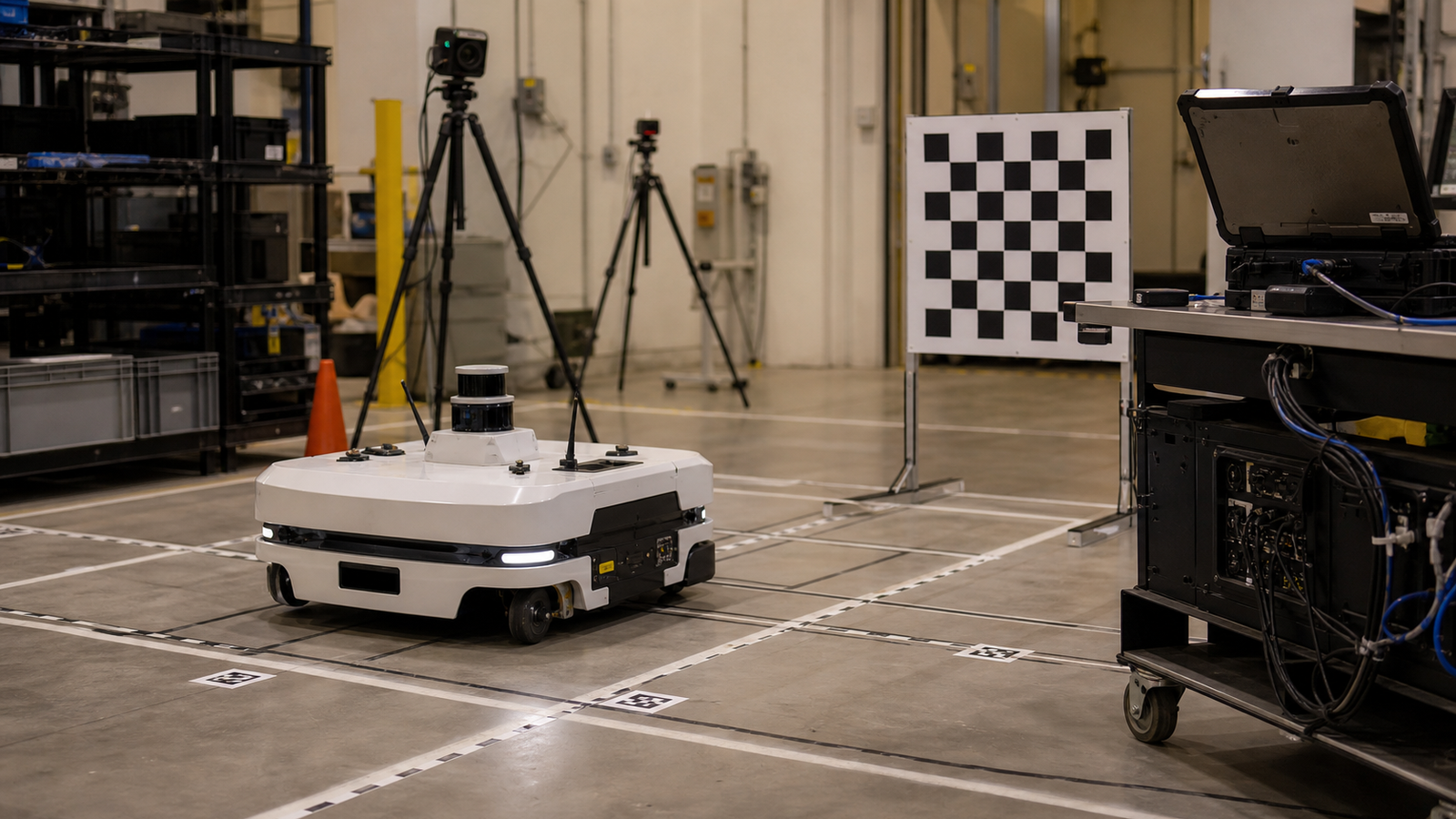
For builders, the important shift is evaluation discipline. A robot policy that looks impressive in a demo still has to survive perception errors, contact events, odd lighting, floor variation, recovery behavior, and operator handoff. Tools that connect synthetic data, simulation runs, and test metrics can make failures easier to reproduce before hardware time is wasted.
That does not remove the need for field testing. It changes what teams should bring to the field: clearer hypotheses, scenario coverage, baseline metrics, and a record of what the robot already failed in simulation.
TVG Analysis
Physical AI is maturing when the question changes from “can the model move the robot?” to “how do we prove the behavior is reliable enough for the next environment?” NVIDIA’s announcement is strongest when read through that lens. The evaluation layer may be more important to real deployments than another demo clip.
What remains unknown
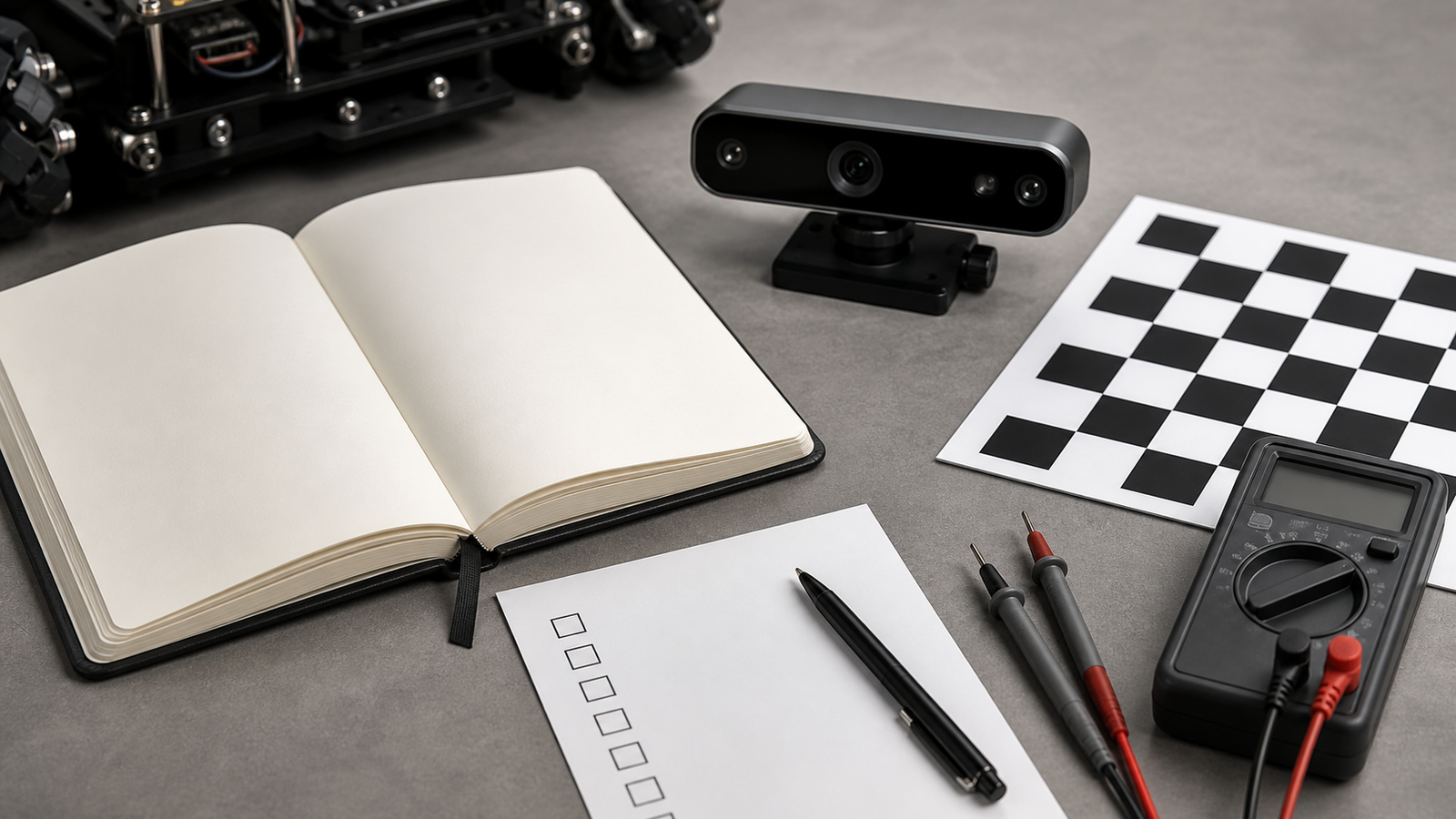
NVIDIA has not turned these tools into a universal readiness score for robots, and partner announcements do not prove production performance by themselves. TVG will be watching for public benchmark detail, repeatable failure reporting, and examples where simulation metrics predict field reliability.
Related TVG reading
How teams can read the release
For robotics teams, the practical reading is to look past the model names and ask what the workflow makes easier to verify. A good evaluation stack should let an engineer define a scenario, run it repeatedly, preserve the logs, compare behavior after a model or control-policy change, and decide whether the robot improved or simply changed failure modes.
That is especially important for mobile manipulators and humanoid-style systems because the useful behavior is not only perception or motion. It includes recovery from missed grasps, response to unexpected obstacles, safe stopping, task resumption, and whether the same policy behaves consistently across different lighting, floor, payload, and operator conditions.
What builders should watch next
The next useful evidence will be deployment notes that include scenario counts, failure classes, and recovery data. A launch post can show direction; repeatable field reporting shows maturity. Teams evaluating physical AI vendors should ask how simulated success maps to hardware acceptance tests, who owns the failure log, and how updates are validated before a robot returns to work.