Editorial mode: Template A — News.
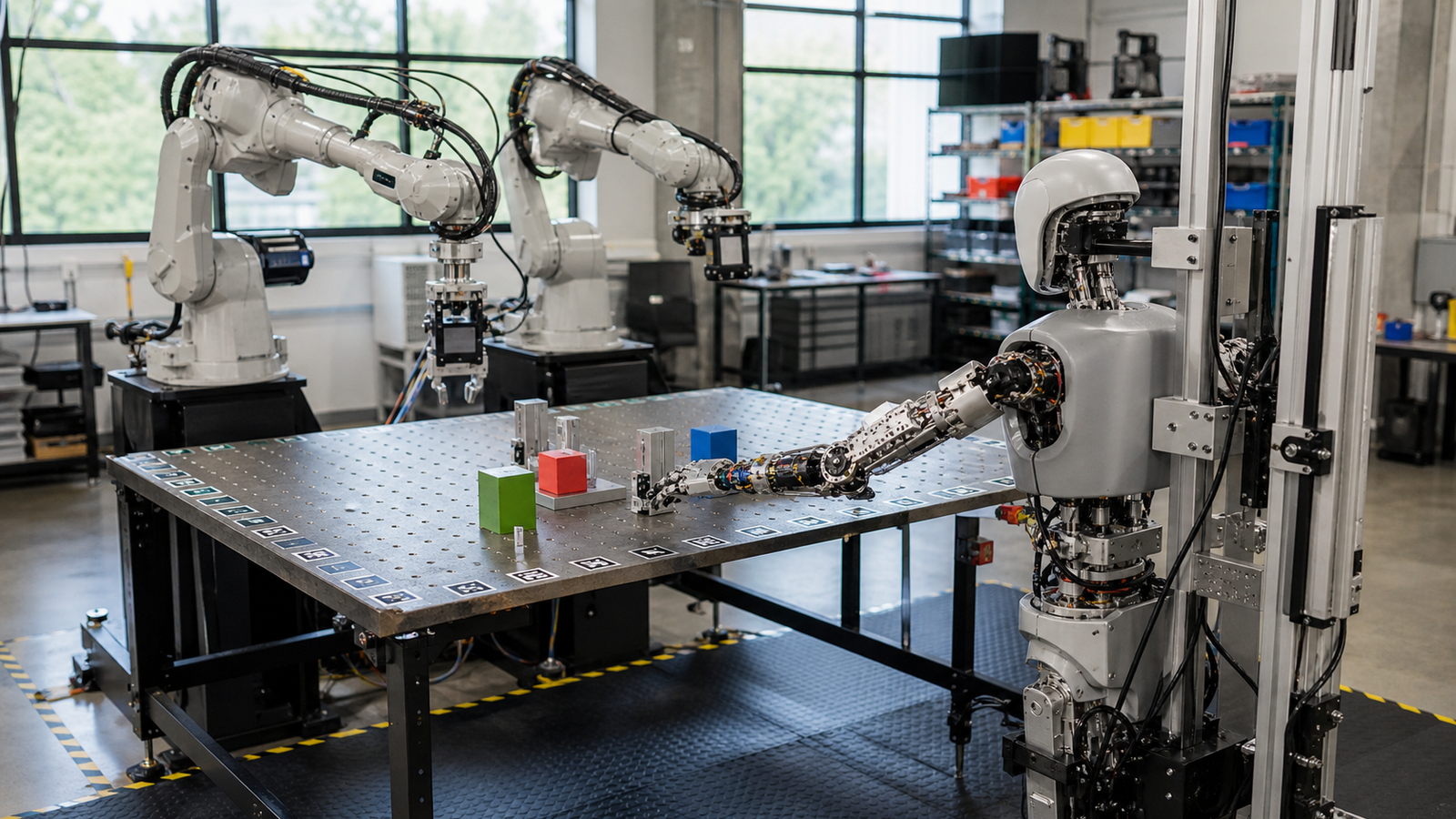
Google DeepMind has introduced Gemini Robotics 2, describing it as a step toward “whole-body intelligence” for robots. The company says the new robotics system can convert vision and language input into motor control, handle humanoid bodies from feet to fingertips, improve dexterous manipulation, and coordinate more than one robot in shared tasks.
The announcement matters because it moves the robotics AI conversation away from a single arm picking objects on a table. Google DeepMind is now emphasizing full-body control, embodied reasoning, video understanding, and multi-robot collaboration — the areas where polished demos often meet the messier reality of hardware, timing, safety and evaluation.
What Google DeepMind is claiming
According to Google DeepMind, Gemini Robotics 2 is its most advanced vision-language-action model for robotics. The company’s model page says the system can operate robotic bodies of different sizes and shapes, including humanoids and bi-arm robots, and that it can perform more complex physical tasks than earlier Gemini Robotics work.
The companion Gemini Robotics ER 2 model card is also important. Model cards are not marketing copy alone; they are where developers and evaluators can look for intended use, limitations, safety mitigations and evaluation context. For robotics, that matters because a model that looks capable in a controlled video may still have unresolved limits around generalization, collision risk, recovery behavior and human proximity.
Why it matters
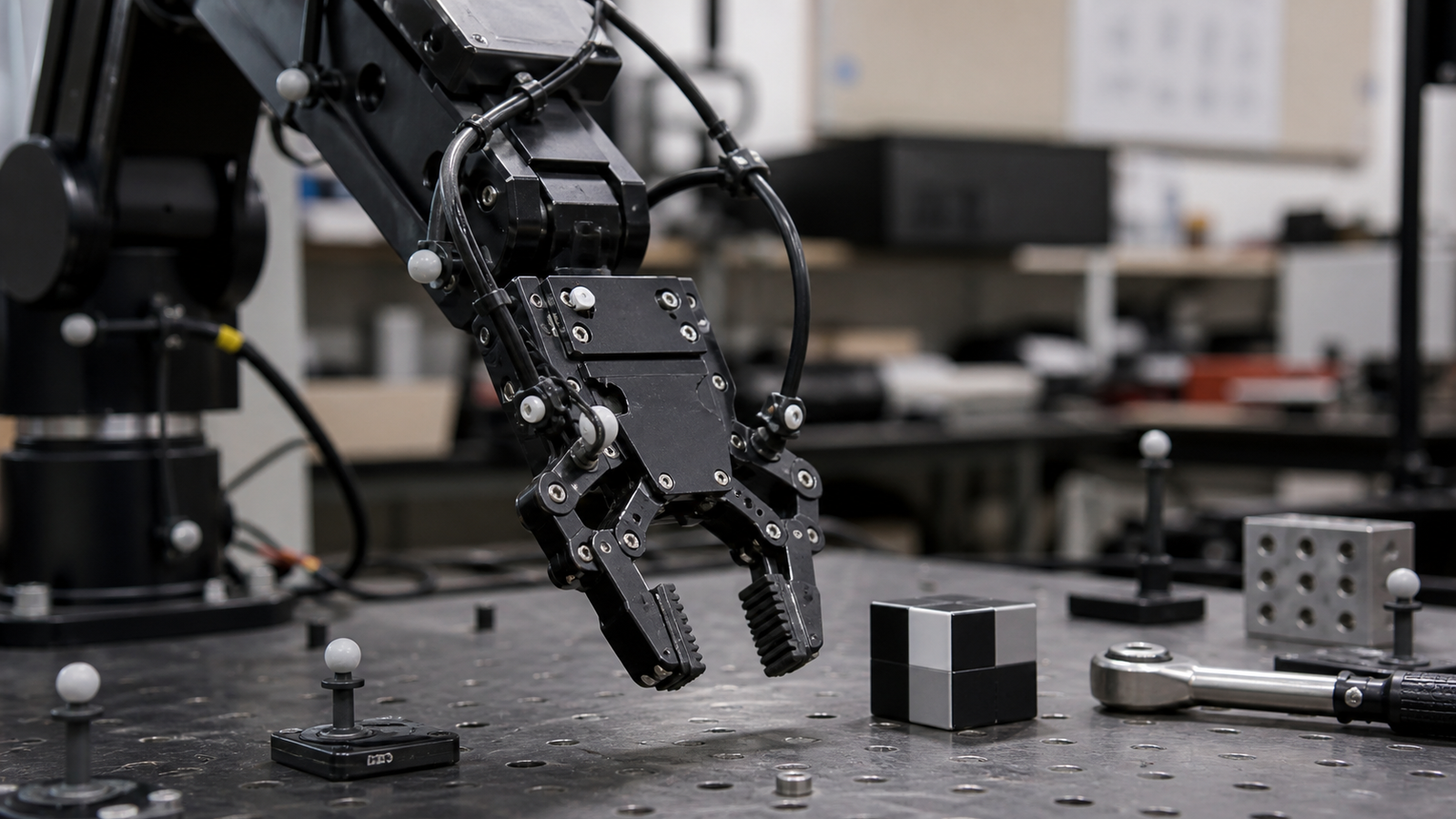
Whole-body robot control is a harder problem than language output or desktop automation. A robot’s action has to respect motors, weight, grip, latency, sensors, contact forces, battery limits and the geometry of the room. A system that coordinates multiple robots adds another layer: each robot’s plan can become part of another robot’s environment.
For industrial automation, education labs and robotics startups, the immediate signal is not that humanoids are suddenly ready for every job. It is that foundation-model companies are pushing deeper into the control stack. That will pressure teams to improve their test protocols, data collection, simulator-to-real workflows and safety cases.
TVG Analysis
TVG’s engineering read is cautious but interested. The most useful robotics AI progress will be measured less by one impressive task and more by repeatability: different lighting, different objects, different floor surfaces, different robot bodies, partial failures and clear stop conditions.
This connects with TVG’s earlier coverage of physical AI robot evaluation workflows. As models become more general, the evaluation burden does not disappear. It shifts toward better test benches, better failure logs and clearer boundaries between demonstration and deployment.
What builders can borrow now
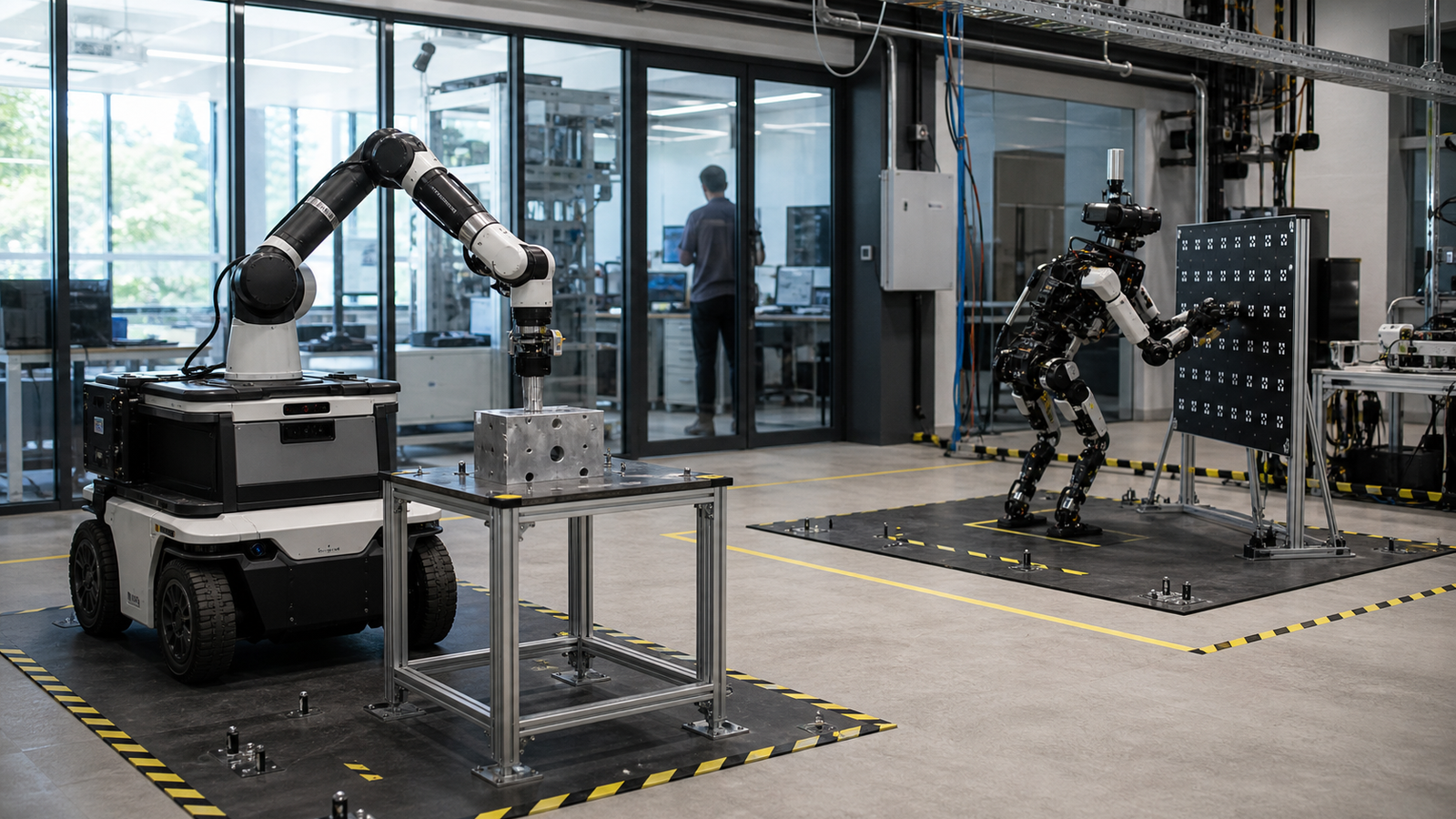
Most TVG readers will not be training a frontier robotics model this week. They can still borrow the evaluation mindset. If a robot is expected to manipulate objects, record the object set, lighting, grasp failures and recovery behavior. If a robot is expected to move around people or other robots, document the safe zones and what happens when the plan is interrupted.
That kind of record keeping is not glamorous, but it is how research claims become useful engineering. A model that can reason over video and commands still needs clean sensor data, stable hardware, tested tools and logs that explain why a task failed.
What remains unknown
Google DeepMind has not turned the announcement into a simple purchase path for normal labs. TVG will be watching for third-party evaluations, hardware partner details, safety documentation, dataset transparency and evidence that the system can recover when the physical world does not match the prompt.
That is the correct place for the story to sit today: promising research progress, not a blanket claim that general-purpose robots are solved.
A good robotics lab should also separate perception success from task success. The model may understand a request and still fail because the gripper slips, the wrist hits a joint limit, the camera saturates, or another robot enters the workspace. Those are not small details; they are the difference between an impressive clip and a system that can be evaluated.