
Intel and Google Cloud have expanded a multi-year collaboration that puts Google’s Gemini Enterprise tools deeper into Intel’s internal AI transformation work, according to a July 2026 Intel Newsroom announcement. The announcement is not a consumer chatbot story. It is a look at what happens when a large technical organization tries to connect generative AI to operations, engineering knowledge, and business processes at enterprise scale.
Intel said the collaboration will use Gemini-powered generative AI across its global operations. Google Cloud’s broader AI and machine-learning work gives the context: the vendor pitch is no longer only model access, but also agents, governance, data connections, and workflow integration.
Why it matters
The useful signal is that enterprise AI is moving from demo prompts toward process ownership. A company does not get much value from an assistant that can summarize a document but cannot safely reach the right system, respect permissions, leave an audit trail, or explain why it produced a recommendation.
For TVG readers, that makes the announcement relevant beyond Intel. Robotics labs, maker businesses, engineering teams, and school technology programs will face the same smaller-scale problem: how to connect AI tools to real work without losing control of sources, approvals, and data boundaries.
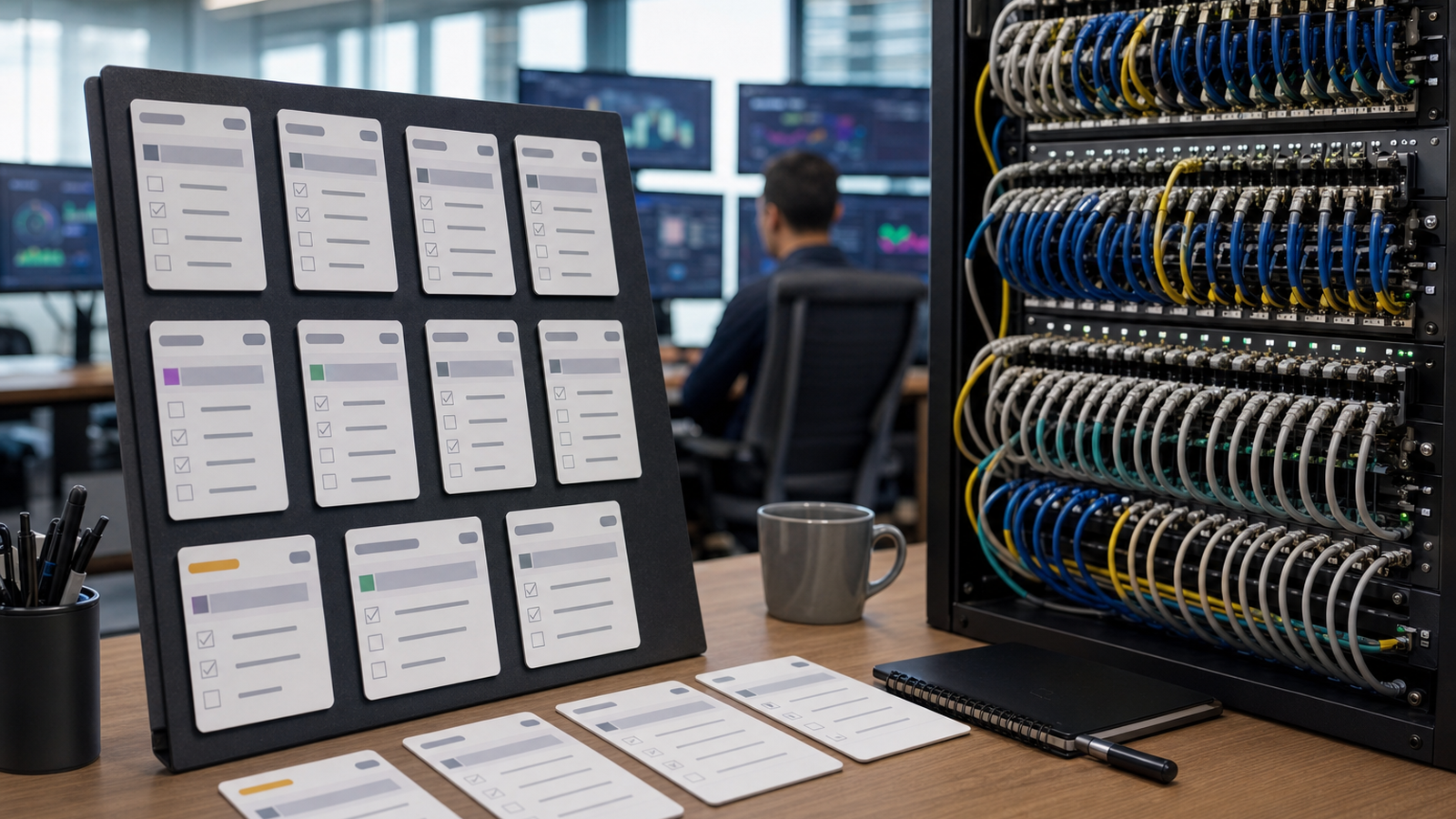
The engineering issue behind the announcement
Large organizations usually have fragmented systems: product documentation, support tickets, procurement data, engineering notes, spreadsheets, identity systems, and reporting dashboards. A generative AI layer can help only if it can find reliable context and if users can tell which source drove a result.
That is why the operational details matter more than the brand names. Useful enterprise AI needs identity-aware retrieval, human approvals for risky steps, versioned prompts or policies, logging, security review, and clear fallback behavior when the answer is uncertain. Otherwise, the system can look productive while quietly creating new verification work.
Where smaller teams should pay attention
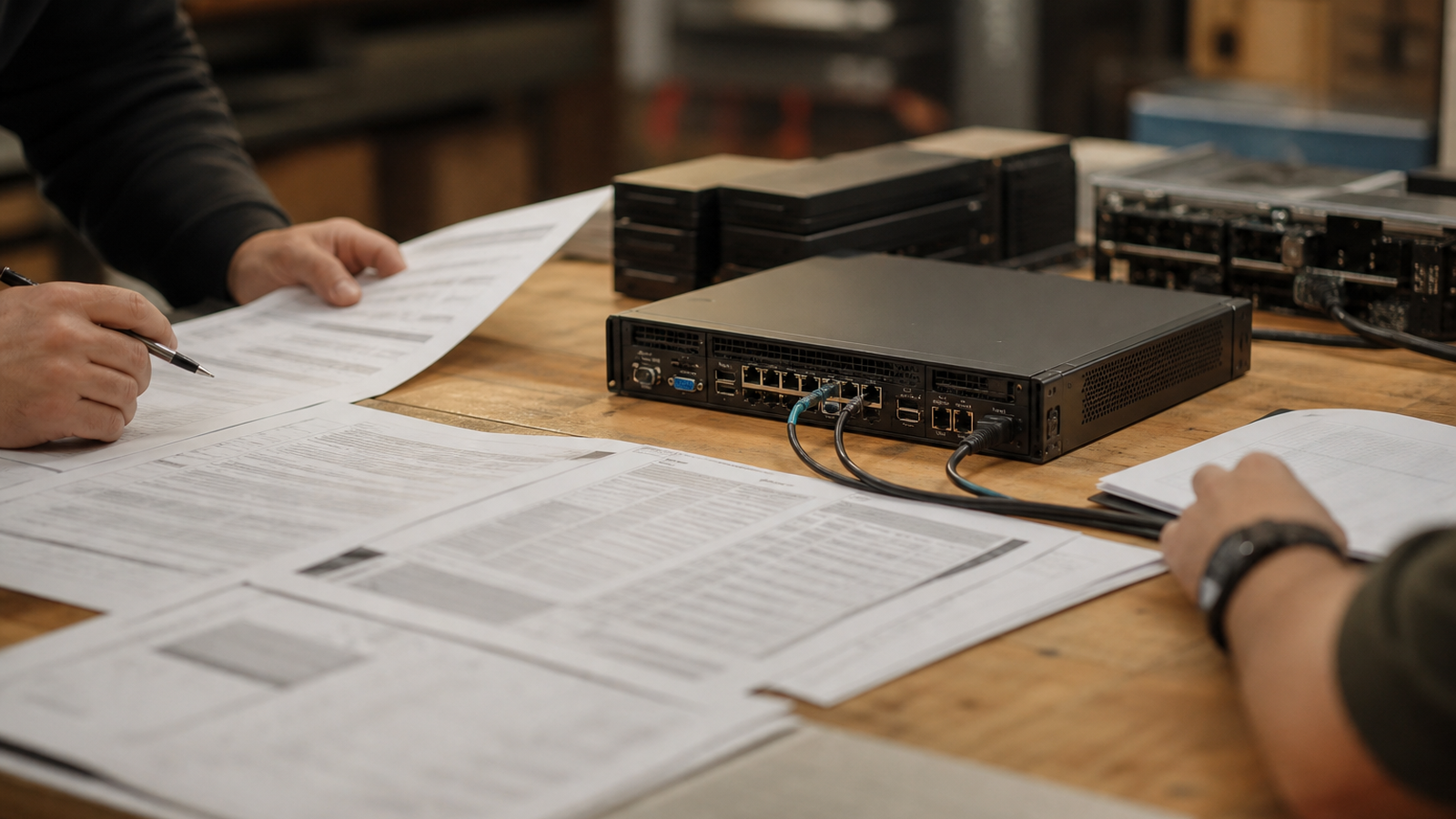
A school robotics program or small engineering shop will not run an Intel-scale deployment. It can still borrow the design pattern. Put AI tools near bounded jobs first: drafting test reports from known logs, summarizing maintenance notes, searching internal build documentation, or converting sensor-test results into a checklist for review.
The risk is letting the tool become an unexplained authority. If the AI cannot point back to source documents, logs, or measurements, it should not be treated as engineering evidence.
TVG Analysis
The Intel-Google Cloud announcement shows where enterprise AI is heading: not toward one magical assistant, but toward connected workflows with controls. The hard part will be making those systems boring enough to trust. That means fewer impressive demos and more attention to permissions, logs, source quality, and rollback paths.
What remains unknown is how much measurable productivity Intel will attribute to the expanded deployment, how deeply Gemini will be connected to engineering systems, and which controls are mandatory versus optional. TVG will be watching for evidence around accuracy, review burden, and workflow adoption rather than launch language alone.