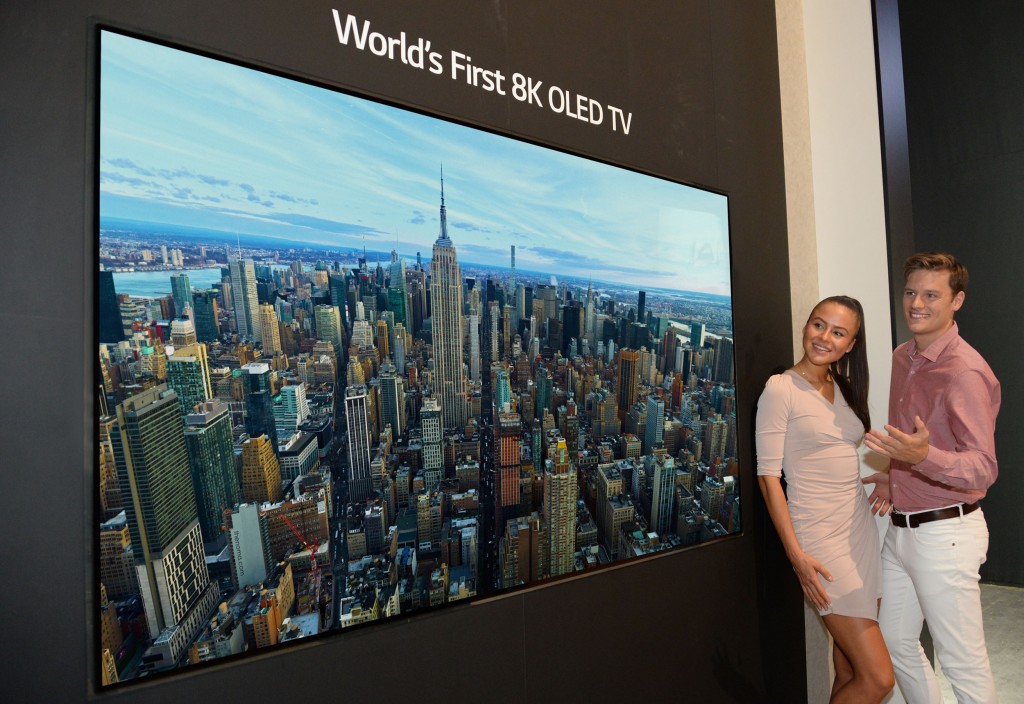
SAN FRANCISCO, CA — The 8K dream just hit the wall. LG Display has halted production of 8K LCD and OLED panels, and sources say LG Electronics won’t restock its final 8K LCD model (the 2024 QNED99T). That follows TCL pausing new 8K TVs due to low demand and Sony axing its last 8K sets in April as it moves Bravia under TCL’s majority control. The industry group built to hype the tech—the 8K Association—has shrunk from 33 members in 2022 to 16 today, with only two TV makers (Samsung and Panasonic) still on the roster and zero major panel suppliers.
8K taps out: LG bails, others already gone
LG was the only brand selling 8K OLEDs (remember the 88-inch Z9?), but even with big price drops, buyers didn’t bite. Meanwhile, 4K absolutely steamrolled: research firm Omdia counts nearly 1 billion 4K TVs in use, versus just 1.6 million 8K sets sold since 2015, with a peak back in 2022. If you were waiting for a flood of 8K content to make it worthwhile—yeah, that never arrived.
Why 8K never mattered in your living room
The catch here is simple: bandwidth and content. HDMI 2.1 tops out at 48 Gbps, which isn’t enough for high-quality 8K at modern frame rates without compression. Sony even walked back “8K support” on the PS5 Pro because it needs Display Stream Compression over HDMI—a thing some 8K TVs handle poorly or not at all. Translation: even the boxes that promised 8K gaming couldn’t make it painless.
Then there’s the “can you actually see it?” question. A University of Cambridge–linked study says you’d need to sit about 1 meter (3.3 feet) from a 50-inch TV to benefit from 8K detail, and only 2–3 meters (6.6–9.8 feet) even with an 80–100-inch screen. Most of us don’t sit that close unless our couch is in our lap. Independent testing from RTINGS lands in the same ballpark.
What you should care about instead
Spend your money on picture quality you can actually see. OLED and QD-OLED for true blacks and killer contrast. Mini-LED with thousands of dimming zones for bright rooms. HDR brightness in the 1,000–2,000 nit range means highlights that still pop in daylight, not just in a dark cave. Good motion handling and 120 Hz with VRR make games feel smooth and responsive. And a strong upscaler turns your 1080p sports into something you won’t squint at from the kitchen.
If you’re a screen-size chaser, MicroLED and emerging Micro RGB tech are the real “wow” paths—think wall-sized with OLED-like contrast and sunlight-capable brightness—just not at mortal prices yet.
So is 8K dead?
Not totally. Samsung still sells 8K sets (MSRPs start around $2,500 for 65 inches), and LG’s remaining stock will stick around for a bit. Niche uses—massive home theaters, pro signage, or ultra-high-res headsets—still make sense. But for most living rooms, 8K is a pricey upgrade you won’t notice.
The Editor’s Take
If you’ve been holding out for 8K, stop. Buy the best 4K OLED or Mini‑LED you can afford and enjoy better HDR, better motion, and better gaming today—8K is for 100-inch diehards and spec sheet collectors, not normal humans.